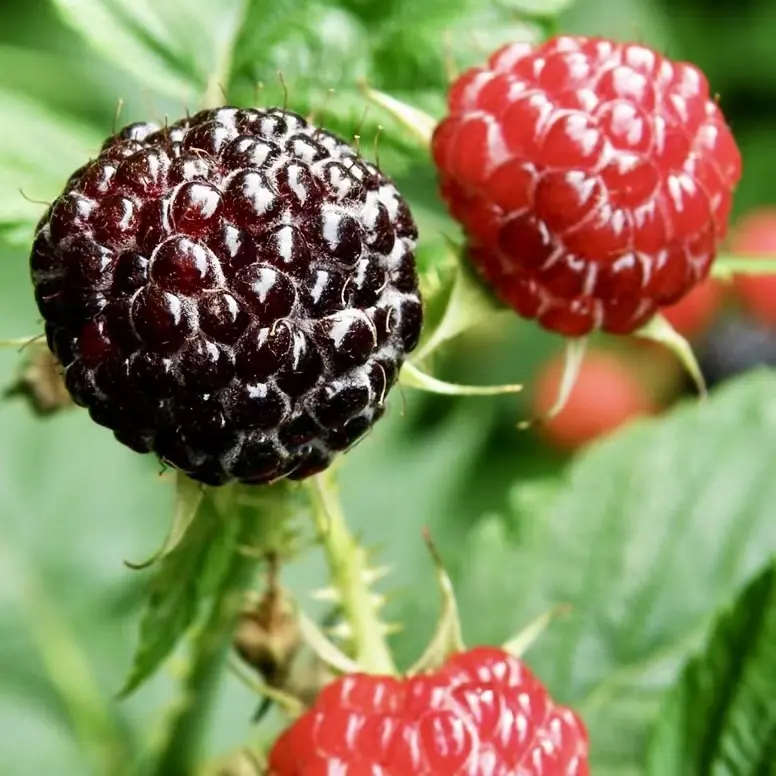
Native Raspberry Plants for Sale – Hardy Blackcap Raspberries (Bare Root)

  • USDA Zone
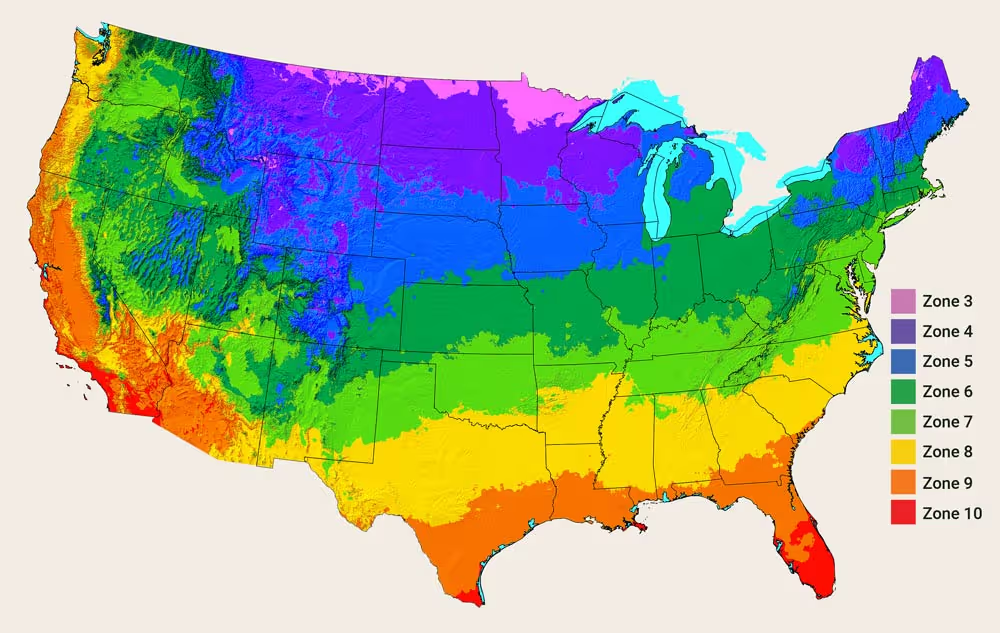
    4-8
  • Plant Layer
    Shrub
  • Native Range
    Eastern North America
  • Life Cycle
    Perennial

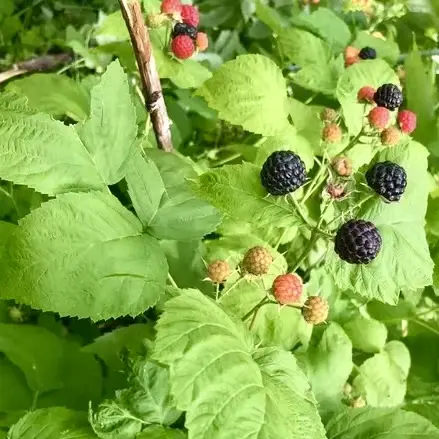
Our native raspberry plants for sale are hardy blackcap raspberries sold bare-root and are floricane-bearing, producing dark fruit for food forests and hedgerows.

$ 5.00 USD
In-Stock
Sold-Out

Blackcap Raspberry

Rubus occidentalis

Native Raspberry Plants for Sale – Hardy Blackcap Raspberries (Bare Root)

Companion Plants for Eastern Blackcap Raspberries

Why Plant Eastern Blackcap Raspberries?

The Native Bramble for Gardens, Food Forests, and Wildlife

Eastern blackcap raspberries (Rubus occidentalis) aren’t your average berry bush—they’re a cold-hardy, native fruit powerhouse that benefits both people and wildlife. Celebrated for their rich, dark berries, these floricane-bearing raspberries have long been valued in eastern North American landscapes for their resilience, ecological value, and ability to thrive with minimal care.

These bare-root perennial brambles spread naturally, stabilizing soil and creating protective cover for birds, pollinators, and game species like deer, turkeys, and rabbits. The antioxidant-rich berries provide a tasty harvest for fresh eating, preserves, or fermentation, while the dense canes act as natural fencing, wildlife habitat, and support for companion plants in food forests or hedgerows.

What Makes Eastern Blackcap Raspberries Different?

Unlike many cultivated raspberries that require high maintenance, blackcap raspberries are cold-hardy and low-input, flourishing in USDA zones 4–8. As a native species, they are adapted to local soils, pests, and pollinators, making them an ideal choice for regenerative landscapes.

The floricane-bearing habit means fruit grows on second-year canes, allowing for predictable, abundant harvests. Their bare-root form ensures strong, healthy roots ready to establish quickly, unlike root-bound potted plants. With minimal pruning and care, these raspberries deliver years of high-quality berries, while also enhancing biodiversity, improving soil structure, and attracting pollinators.

Why Plant Our Eastern Blackcap Raspberry Plants?

Our native blackcap raspberries are grown outdoors in healthy living soil, without synthetic fertilizers or herbicides. Each bare-root plant is carefully harvested and inspected, ensuring a strong start in your garden, hedgerow, or food forest.

Whether you’re looking to produce native fruit, create wildlife habitat, or build a regenerative permaculture system, Eastern blackcap raspberries are a cornerstone species that rewards gardeners, homesteaders, and landscapers alike. Plant them once, and enjoy their benefits for decades to come.
Native Blackcap Raspberry Overview

Other Common Names: Black Raspberry, Eastern Blackcap, Wild Black Raspberry

Name Derivation: From Latin Rubus occidentalis, meaning “western bramble”

Native Range: Eastern North America, from Maine and Ontario south to Georgia and Alabama

Years to Bear Fruit: 2 years to 3 years after planting bare-root canes

USDA Zone Range: 4 – 8

Pollination: Self-fertile, but yields improve with cross-pollination

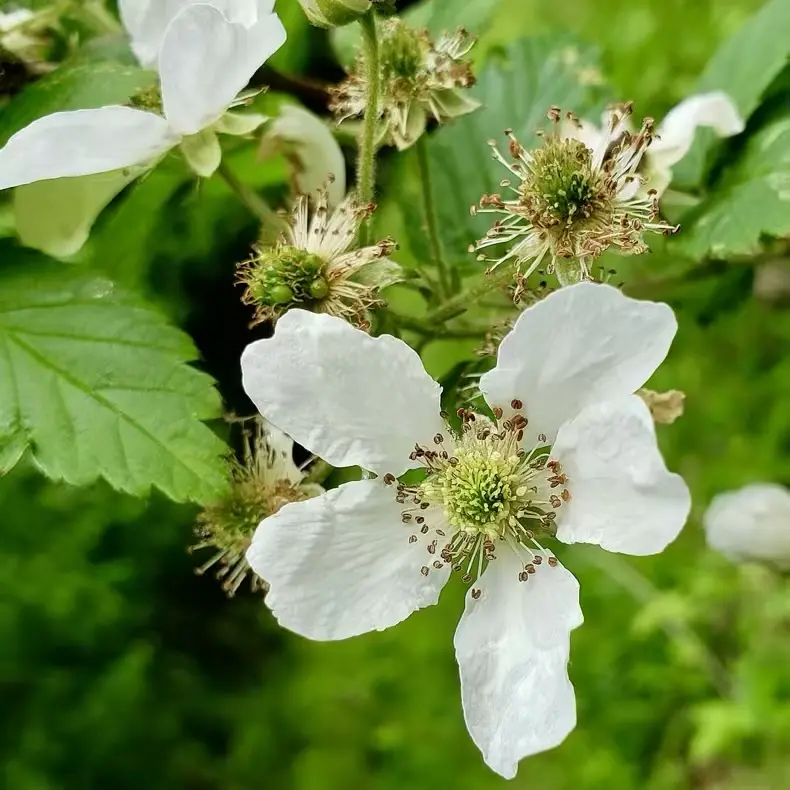
Bloom Color: Small white to pale pink flowers

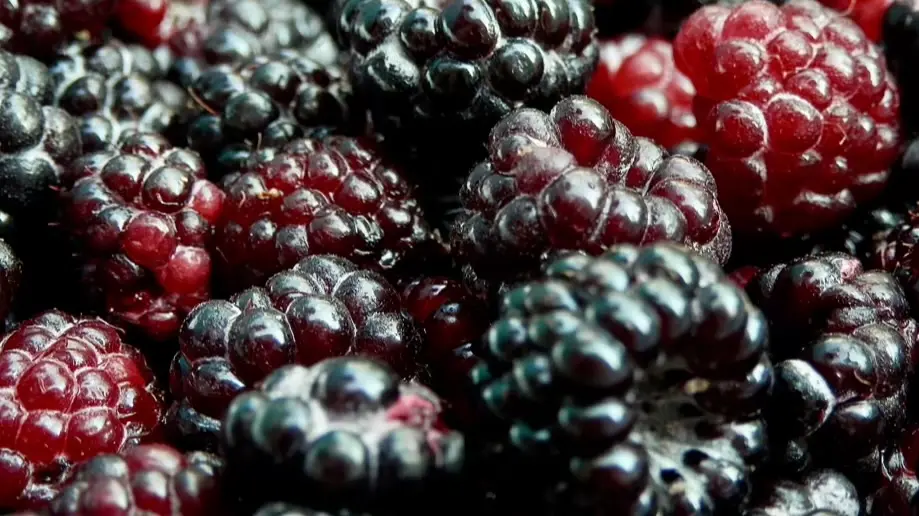
Fruit Color: Dark purple-black when fully ripe

Fruit Size: Small to medium

Foliage Color: Green; turns yellow in fall

Bark: Woody canes with a purplish hue and slight fuzz; older canes turn brown

Edible Parts: Fruit

Taste: Sweet-tart, rich berry flavor with classic raspberry aroma

Texture: Juicy and slightly seedy, melts in the mouth when fully ripe

Culinary Uses: Eaten fresh, frozen, in jams, jellies, sauces, pies, or fermented beverages

Folklore & Wildlife Value: Highly prized by wildlife; canes provide shelter and berries feed birds, deer, rabbits, and pollinators

Cannot Ship to: California

Blackcap Raspberry

USDA Zone

4-8

Blackcap Raspberry

USDA Zone

4-8

Planting Considerations for Native Eastern Blackcap Raspberry Bare-Root Plants

Eastern blackcap raspberries thrive in sunny to partially shaded locations and are adaptable to a variety of soils. They perform well in hedgerows, food forests, wildlife plots, or home gardens and benefit from companion planting with other native berries or pollinator-friendly perennials.

Bare-Root Size: 12 inches to 24 inches bare-root canes

Spacing: 2 feet to 4 feet between plants; 6 feet between rows for easy harvesting

Plant Qty: Plant in groups of 3 or more for best yields and to encourage natural cross-pollination

Deer Browse Resistant: Moderate; young canes may be nibbled

Sun Exposure: Full Sun to Partial Shade

Soil Composition: Well-drained loamy soil preferred; tolerates clay and sandy soils

Soil Moisture: Moist but not waterlogged

Soil pH Level: 5.5 – 7.0

Mature Height: 3 feet to 6 feet

Life Span: 10 – 15 years in productive cultivation

Ripens/Harvest: Late June through early July (second-year canes)

Yield: 1 to 2 pounds per plant at maturity; yields increase with optimal care

Eastern Blackcap Raspberry Nutrition & Health Benefits

Vitamins C and K: Support immune function, promote collagen production, and aid in blood clotting.

Manganese: Essential for bone health and metabolism.

Antioxidants: High in anthocyanins and polyphenols, which may help reduce oxidative stress and lower the risk of chronic diseases.

Dietary Fiber: Supports healthy digestion and stabilizes blood sugar levels.

Flavonoids: Possess anti-inflammatory and potential anti-diabetic properties.

Wildlife & Human Uses: Beyond nutrition, berries support local ecosystems by feeding birds, pollinators, and small mammals.

Blackcap Raspberry

FAQ

Eastern Blackcap Raspberry FAQ

Q: What are Eastern Blackcap Raspberries?

A: Eastern Blackcap Raspberries (Rubus occidentalis) are a cold-hardy, native fruit-bearing bramble known for their dark, sweet berries. They are floricane-bearing and ideal for food forests, hedgerows, and wildlife-friendly landscapes.

Q: Are these raspberry plants bare-root or potted?

A: Our plants are sold bare-root, which ensures stronger, healthier roots and faster establishment compared to root-bound potted plants.

Q: How long until they bear fruit?

A: Blackcap raspberries typically produce their first fruit in 2–3 years after planting, with peak yields on second-year canes.

Q: What is the recommended spacing for planting?

A: Space plants 2–4 feet apart within rows and 6 feet between rows to allow for growth and easy harvesting.

Q: Do I need multiple plants for pollination?

A: Blackcap raspberries are self-fertile, but planting in groups of 3 or more encourages better yields and natural cross-pollination.

Q: What soil and sun conditions do they need?

A: They thrive in full sun to partial shade with well-drained, loamy soil, but are adaptable to clay or sandy soils. Soil pH should be between 5.5 and 7.0.

Q: Are Eastern Blackcap Raspberries deer-resistant?

A: They have moderate resistance; young canes may be browsed, so protective measures may be needed in areas with high deer pressure.

Q: What is their USDA hardiness zone?

A: Zones 4–8, making them suitable for most eastern and central U.S. climates.

Q: How should I harvest the berries?

A: Berries ripen in late June through early July on second-year canes. Pick when fully dark and slightly soft for the best flavor.

Q: Can I grow them with other plants?

A: Yes! They pair well with other native berries, fruit trees, nut trees, and pollinator-friendly perennials in food forests or hedgerows.

Q: Are these plants good for wildlife?

A: Absolutely. Birds, small mammals, and pollinators enjoy the berries and flowers, while dense canes provide shelter and cover for wildlife.

Bare Root Shipping & Return Policy

We Ship Healthy Dormant Trees

At BearFruit Nursery, we make sure your bare root trees, shrubs, and plants arrive happy, healthy, and ready to grow. Orders ship in fall or early spring while plants are dormant to reduce transplant shock.

Here’s what to expect:
Your shipment may look like a “stick in the mud” — that’s normal!
You’ll receive a healthy, leafless plant with a moist, sawdust-wrapped root system.
The sawdust keeps roots from drying out and supports long-term growth.
Our plants are grown in soil, not pots, developing strong root systems that quickly outgrow container-raised plants.

If your order arrives damaged, incomplete, or not as expected:
Contact us within 14 days of delivery.
We’ll send a one-time free replacement if available, or issue a full refund if it’s out of stock.
Our goal is simple — to send you strong, healthy plants that thrive once in the ground.
"Everything was fine with our order."
- Jerri S. Maine
"All four trees in our order look good and planted."
- Patti K. Illinois

Customer Reviews

Grow More Bare Root Fruit Trees & Shrubs

Naturally Grown Cold Hardy Plants
At BearFruit Nursery we are driven by our passion to steward our land in a manner that allows us to care for people and generate abundant harvests. We never use pesticides or herbicides on our plants. Our inputs include locally sourced wood chip mulch and grass mulch, leaf mulch, and compost that we collect on our site. We grow our plants outside in the ground or in raised beds.
Learn More