
Yarrow for Edible Landscapes & Permaculture Food Forests
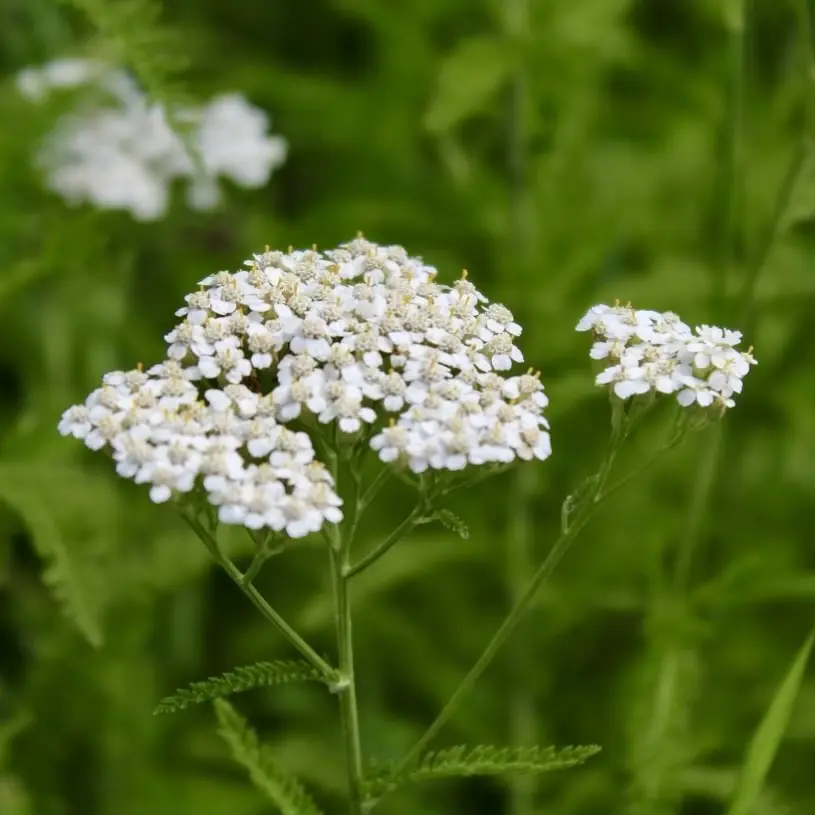
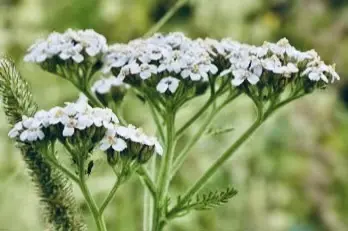
Yarrow (Achillea millefolium) is a native perennial plant widely used in edible landscapes and permaculture food forests across North America. While not grown as a primary food crop, it is highly valued as a support species that improves soil health, attracts beneficial insects, and supports nearby fruit trees and perennial crops.
Our hardy white wild yarrow variety is an especially tough, resilient native strain. It was continually mowed for years, demonstrating exceptional durability, then allowed to grow out vigorously and mature within our apple tree food forest guild. Today, it thrives as a long-lived companion plant in a diverse orchard system, proving its adaptability and strength.
In permaculture food forests, yarrow is commonly planted as an understory or edge plant within fruit tree guilds. Its deep, fibrous root system helps improve soil structure and supports nutrient cycling, making minerals more available to surrounding plants. When cut back, yarrow can be used as chop-and-drop mulch, contributing organic matter and feeding soil life.
Yarrow is also a well-known medicinal plant with a long history of traditional herbal use. For centuries, the leaves and flowers have been used in teas, tinctures, and salves as part of traditional herbal practices. (Historical and educational reference only; not intended as medical advice.)
In edible landscaping systems, yarrow excels at attracting pollinators and beneficial predatory insects, including parasitic wasps and lacewings. These insects help reduce pest pressure naturally, making yarrow an effective companion plant for fruit trees, berries, and orchard plantings.
Because it is drought tolerant, low maintenance, and thrives in poor soils, yarrow integrates easily into:
- Fruit tree guilds and orchard understories
- Food forests and perennial polycultures
- Native plant and pollinator gardens
- Regenerative, low-input edible landscapes
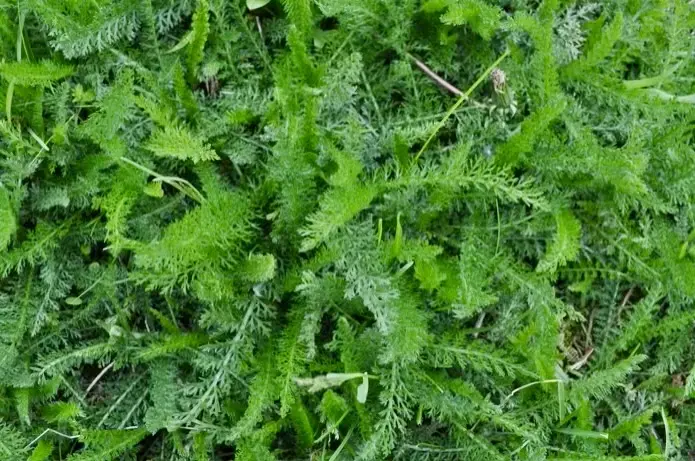
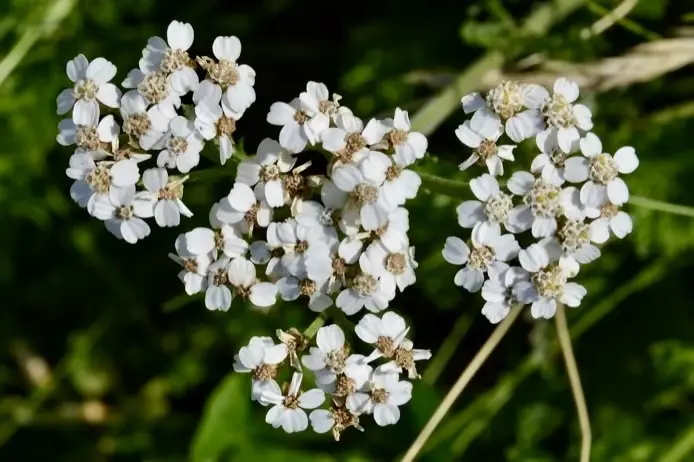
Its fine, fern-like foliage and long-lasting white blooms add ornamental value, making this native yarrow ideal for edible landscapes that balance beauty, resilience, biodiversity, and ecological function.