Buy Organic Oregano Plants – Bare Root Perennial Culinary Herb

  • USDA Zone
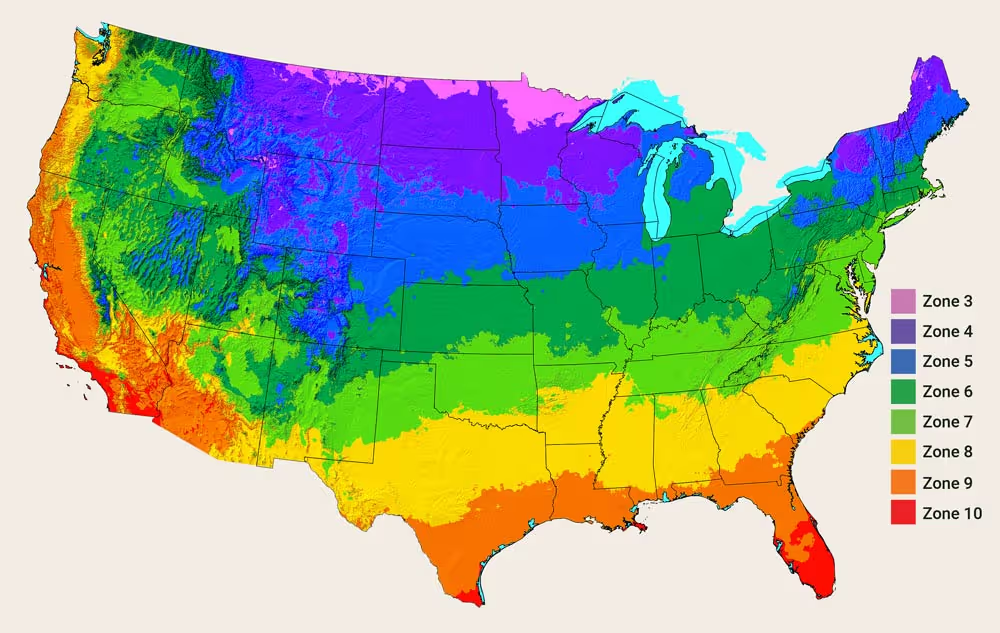
    4-9
  • Plant Layer
    Herbaceous & Ground Cover
  • Native Range
    Europe, Central Asia, the Mediterranean, and North Africa
  • Life Cycle
    Perennial

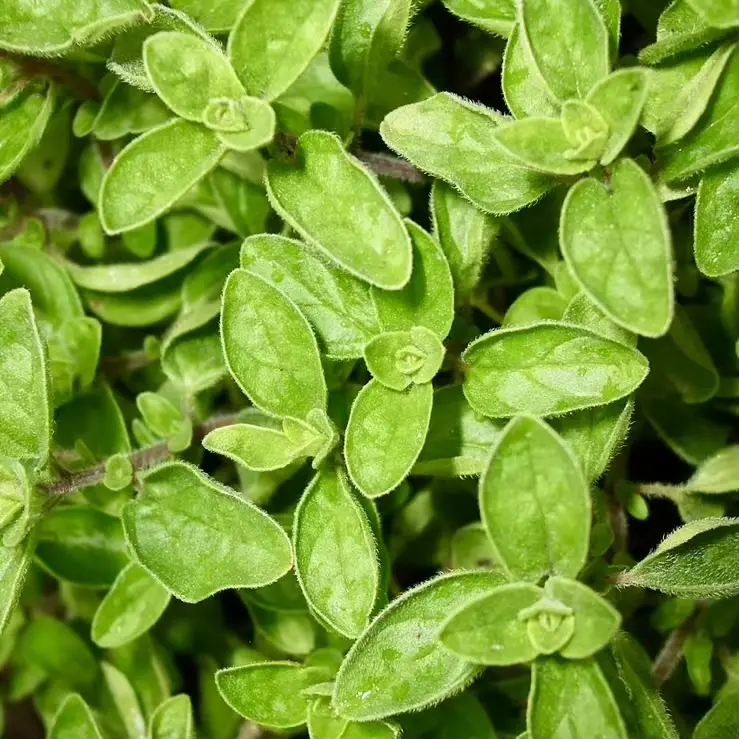
Plant organic bare root oregano to harvest aromatic leaves for cooking, herbal remedies, and pollinator support. This hardy, drought-tolerant perennial thrives in edible landscapes, herb gardens, and permaculture systems—spreading gently to suppress weeds while attracting beneficial insects. Bare root plants establish quickly with strong root systems and less transplant shock, making them ideal for long-term food production.

$ 8.00 USD
In-Stock
Sold-Out

Oregano

Origanum vulgare

Buy Organic Oregano Plants – Bare Root Perennial Culinary Herb

Oregano Companion Plants for Food Forests

Why Plant Organic Oregano?

A Foundational Herb for Food Forests & Kitchens

Organic oregano (Origanum vulgare) is one of the most valuable perennial herbs you can plant—both in the kitchen and in the landscape. Revered for centuries across the Mediterranean, oregano has long been used as a culinary staple, medicinal herb, and natural pest deterrent. Today, it remains a cornerstone plant for edible landscapes, permaculture gardens, and food forest groundcover layers.

Once established in our own gardens and food forests guilds, oregano has been exceptionally low maintenance, drought tolerant, and long lived. Its spreading habit suppresses weeds, its flowers attract pollinators and beneficial insects, and its aromatic foliage helps create pest-confusing environments around our fruit trees and other perennial crops.

What Does Oregano Taste Like?

Fresh oregano offers a bold, earthy flavor with peppery and slightly minty undertones—far more complex than the dried oregano found on grocery store shelves. When harvested fresh, the leaves deliver a brighter, more aromatic taste that elevates sauces, roasted vegetables, meats, and herbal teas.

Allowing oregano to grow slowly in healthy soil concentrates its essential oils, resulting in stronger flavor and aroma than fast-grown commercial plants. Regular harvesting encourages dense growth and improves overall plant vigor.

Why Plant Our Bare Root Organic Oregano?

Our organic oregano plants are grown outdoors in living soil amended with compost and natural mulches, never in restrictive pots. By growing oregano in our diverse perennial food forest systems as bare root plants, we encourage strong, fibrous root systems that establish quickly and outperform root-bound nursery stock.

We do not use synthetic fertilizers, herbicides, or pesticides. Each plant is selected for hardiness, aroma, and long-term productivity, making it ideal for perennial herb beds, food forests, and regenerative garden systems.

Bare root oregano transplants easily, adapts faster to native soils, and begins spreading sooner—giving you a resilient, multi-functional herb that will produce for years to come.
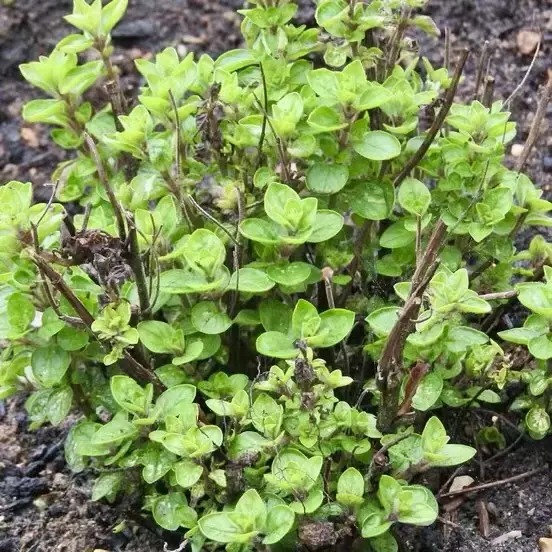
Oregano Traits & Qualities

Other Common Names: Wild Oregano, Common Oregano, Greek Oregano (regional strains)

Botanical Name: Origanum vulgare

Name Derivation: From the Greek words oros (mountain) and ganos (joy), meaning “joy of the mountains”

Native Range: Mediterranean region & Western Asia (widely naturalized)

Life Cycle: Perennial

USDA Zone Range: 4 – 9

Plant Layer: Groundcover / Herbaceous layer

Growth Habit: Spreading, low-growing, clump-forming

Mature Height: 12 – 24 inches

Mature Spread: 18 – 30 inches

Bloom Time: Early to mid-summer

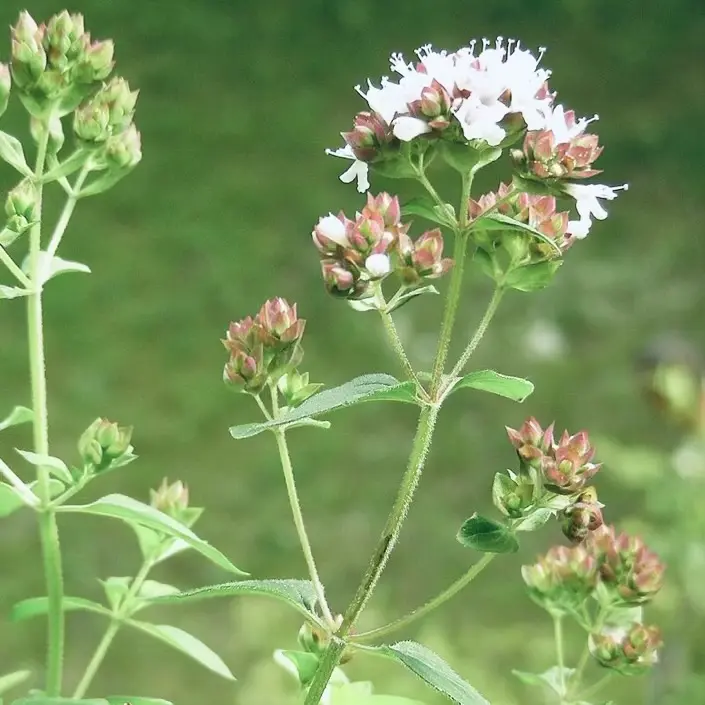
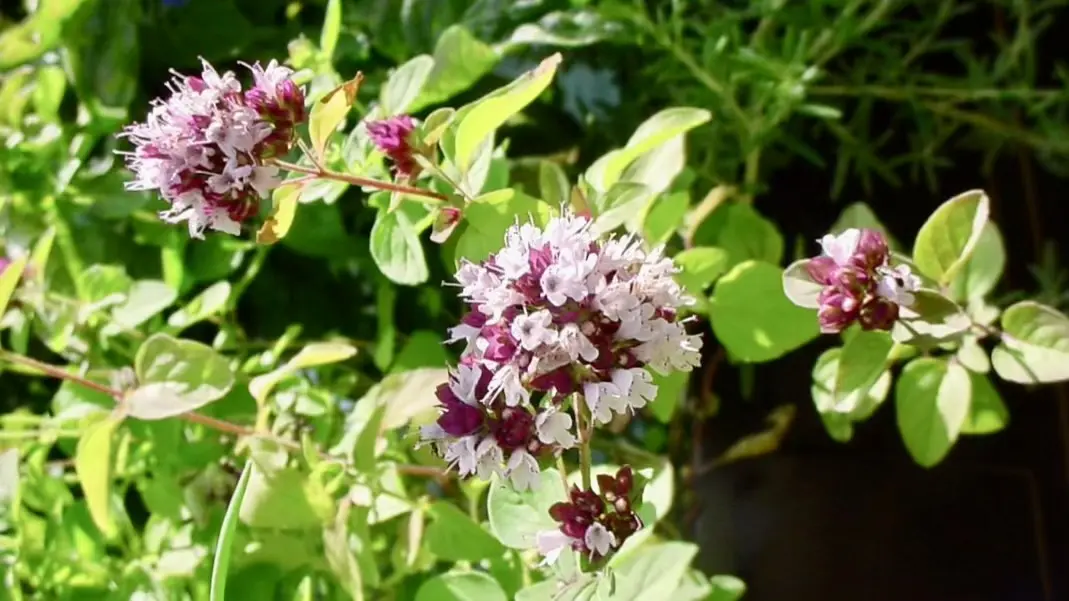
Bloom Color: Pink to light purple

Foliage Color: Gray-green to deep green

Pollination: Insect-pollinated (bees & beneficial insects)

Edible Parts: Leaves, flowers

Taste: Bold, earthy, slightly peppery with mild mint undertones

Texture: Soft, tender leaves when young

Culinary Uses: Fresh or dried for sauces, meats, vegetables, herbal teas, and infused oils

Medicinal Uses: Traditionally used for digestion, respiratory support, and antimicrobial properties

Ecological Uses: Living mulch, weed suppression, pollinator attractor, pest confusion plant

Drought Tolerance: High once established

Soil Preference: Well-drained soils; performs best in moderately fertile ground

Oregano

USDA Zone

4-9

Oregano

USDA Zone

4-9

Planting Considerations for Organic Oregano Bare Root Plants

Organic oregano is a hardy, adaptable perennial herb that performs exceptionally well as a groundcover and living mulch in food forests, herb gardens, and edible landscapes. Once established, oregano requires minimal input while delivering long-term culinary, ecological, and medicinal value.

Bare Root Plant Size: 4 inches to 8 inches

Spacing: 12 inches to 18 inches

Plant Qty: Plant in clusters or rows for weed suppression and improved pollinator attraction

Deer Browse Resistant: Yes (aromatic foliage is typically avoided)

Sun Exposure: Full Sun to Partial Shade

Soil Composition: Well-drained soils; thrives in sandy or loamy textures and tolerates poor soils

Soil Moisture: Dry to Moderately Moist (avoid waterlogged conditions)

Soil pH Level: 6.0 – 8.0

Mature Height: 12 inches to 24 inches

Mature Spread: 18 inches to 30 inches

Life Span: 5+ years with regular harvesting

Bloom Period: Early to Mid-Summer

Harvest Window: Late Spring through Fall

Yield: Continuous leaf harvest once established; multiple cuttings per season

Food Forest & Permaculture Notes

  • Functions as a weed-suppressing groundcover under fruit and nut trees

  • Attracts beneficial insects and pollinators when allowed to flower

  • Performs best when not over-fertilized, which concentrates flavor and oils

  • Trim regularly to maintain airflow and prevent excessive spreading

Oregano Nutrition & Health Benefits

Vitamins A, C, & K: Support immune function, vision health, and normal blood clotting

Iron & Calcium: Contribute to healthy bones and oxygen transport in the body

Antioxidants: Rich in compounds such as carvacrol and thymol that help protect cells from oxidative stress

Flavonoids & Polyphenols: Plant compounds studied for their antioxidant and anti-inflammatory properties

Essential Oils: Traditionally valued for antimicrobial and preservative qualities

Digestive Support: Historically used to support digestion and appetite

Medicinal Uses: Traditionally used in herbal preparations for respiratory support, digestive comfort, and immune support

Oregano

FAQ

Oregano FAQ

Is oregano a perennial plant?
Yes. Oregano (Origanum vulgare) is a hardy perennial herb in USDA zones 4–9. Once established, it regrows each year and can produce for many seasons with minimal care.

Is oregano good for food forests?

Absolutely. Oregano functions as a groundcover and living mulch in food forest systems. It suppresses weeds, attracts pollinators, and grows well beneath fruit and nut trees.

Does oregano grow better in full sun or shade?

Oregano performs best in full sun, which enhances flavor and essential oil concentration. It will tolerate partial shade, especially in hot climates.

How far apart should oregano plants be spaced?

Space oregano plants 12 to 18 inches apart. Closer spacing creates faster groundcover, while wider spacing improves airflow and reduces maintenance.

Is oregano deer resistant?

Yes. Oregano is generally deer resistant due to its strong aromatic oils, making it a good choice for areas with browsing pressure.

Why choose bare root oregano plants?

Bare root oregano develops strong, non-circling root systems, establishes faster in native soil, and avoids transplant shock common with potted herbs.

When can oregano be harvested?

Oregano can be harvested from late spring through fall. Regular cutting encourages bushier growth and higher leaf production.

Can oregano be grown in poor or dry soil?

Yes. Oregano prefers well-drained soil and tolerates low fertility and dry conditions once established. Overly rich soil can reduce flavor.

Does oregano spread aggressively?

Oregano spreads slowly by rhizomes and seed. It can be trimmed or divided easily to keep it contained in gardens or food forests.

Can oregano be used fresh and dried?

Yes. Oregano is excellent both fresh and dried. Drying intensifies flavor, while fresh leaves provide brighter aroma and taste.

Is oregano pollinator friendly?

Yes. When allowed to flower, oregano attracts bees, beneficial insects, and pollinators, supporting ecosystem health.

Bare Root Shipping & Return Policy

We Ship Healthy Dormant Trees

At BearFruit Nursery, we make sure your bare root trees, shrubs, and plants arrive happy, healthy, and ready to grow. Orders ship in fall or early spring while plants are dormant to reduce transplant shock.

Here’s what to expect:
Your shipment may look like a “stick in the mud” — that’s normal!
You’ll receive a healthy, leafless plant with a moist, sawdust-wrapped root system.
The sawdust keeps roots from drying out and supports long-term growth.
Our plants are grown in soil, not pots, developing strong root systems that quickly outgrow container-raised plants.

If your order arrives damaged, incomplete, or not as expected:
Contact us within 14 days of delivery.
We’ll send a one-time free replacement if available, or issue a full refund if it’s out of stock.
Our goal is simple — to send you strong, healthy plants that thrive once in the ground.
"Everything was fine with our order."
- Jerri S. Maine
"All four trees in our order look good and planted."
- Patti K. Illinois

Customer Reviews

Grow More Bare Root Fruit Trees & Shrubs

Naturally Grown Cold Hardy Plants
At BearFruit Nursery we are driven by our passion to steward our land in a manner that allows us to care for people and generate abundant harvests. We never use pesticides or herbicides on our plants. Our inputs include locally sourced wood chip mulch and grass mulch, leaf mulch, and compost that we collect on our site. We grow our plants outside in the ground or in raised beds.
Learn More