Bare Root Peppermint Plants for Sale – Beyond-Organic Culinary & Edible Groundcover

  • USDA Zone
    3-9
  • Plant Layer
    Ground Cover
  • Native Range
    Europe and the Middle East/Mediterranean basin
  • Life Cycle
    Perennial

Beyond-organic bare root peppermint for culinary use, edible landscaping groundcover, and food forest support planting.

$ 5.00 USD
In-Stock
Sold-Out

Peppermint

Mentha × piperita L.

Bare Root Peppermint Plants for Sale – Beyond-Organic Culinary & Edible Groundcover

Peppermint Companion Plants for Orchards, Gardens & Food Forests

Peppermint – Beyond-Organic Bare Root Plants

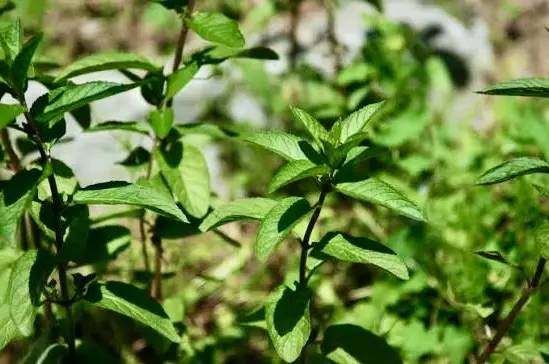
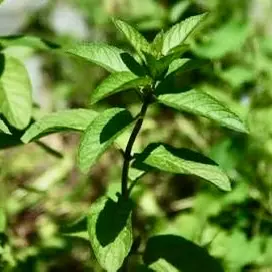
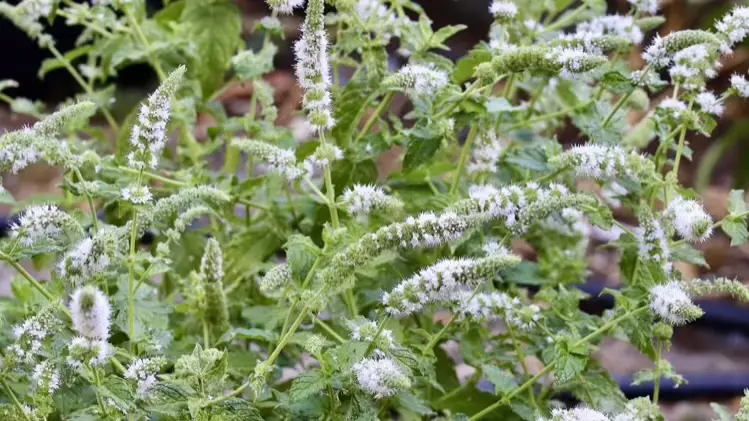
Peppermint (Mentha × piperita) is a fast-growing, aromatic perennial herb used for culinary harvests, edible landscaping groundcover, and as a multifunctional support plant in permaculture food forest systems. Its strong scent, aggressive root system, and dense growth habit make it a valuable living tool beneath fruit trees and along garden edges.

Our beyond-organic bare root peppermint plants establish quickly, develop unrestricted root systems, and outperform root-bound potted plants in long-term resilience.

How to Use Peppermint in Edible Landscapes

  • Fresh and dried culinary herb (teas, desserts, beverages, sauces)
  • Edible landscaping groundcover
  • Living mulch and soil cover
  • Food forest understory and guild plant
  • Pollinator and beneficial insect attractor
  • Aromatic confuser to help discourage deer browsing around fruit trees

Why Bare Root Peppermint?

Bare root peppermint plants develop natural, unrestricted root architecture, allowing them to:

  • Establish faster than potted plants
  • Avoid root circling and transplant shock
  • Spread evenly through soil systems
  • Perform better long-term in permanent plantings

Bare root planting is ideal for orchards, food forests, and regenerative landscapes where plants are expected to persist for years.
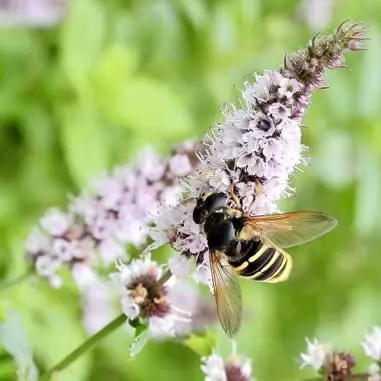
Peppermint Plant Profile - Traits, Harvest & Companion Planting

Other Common Names: Garden Mint, Mentha, Mentha × piperita

Name Derivation: Hybrid of water mint (Mentha aquatica) and spearmint (Mentha spicata)

Native Range: Europe; widely naturalized in North America

Years to Maturity: 1 year to full harvest potential

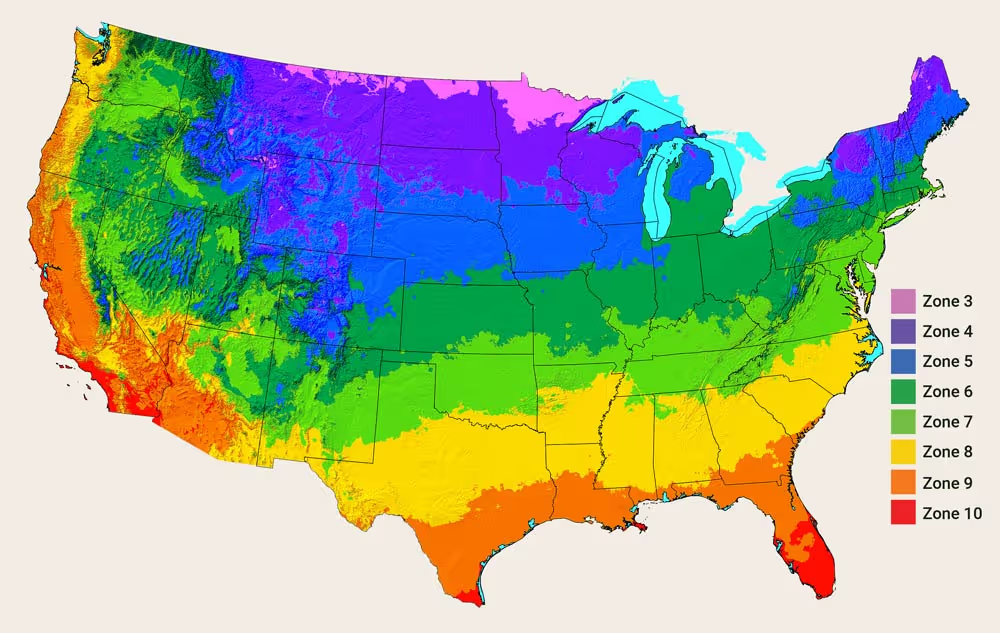
USDA Zone Range: 3 - 9

Pollination: Self-fertile, attracts pollinators

Bloom Color: Light purple to lavender spikes

Foliage Color: Bright to deep green

Edible Parts: Leaves and stems

Taste: Strong menthol aroma and flavor, slightly sweet and refreshing

Texture: Tender leaves when young; stems firm and fibrous

Culinary Uses: Leaves can be used fresh or dried for teas, desserts, syrups, beverages, sauces, and garnishes

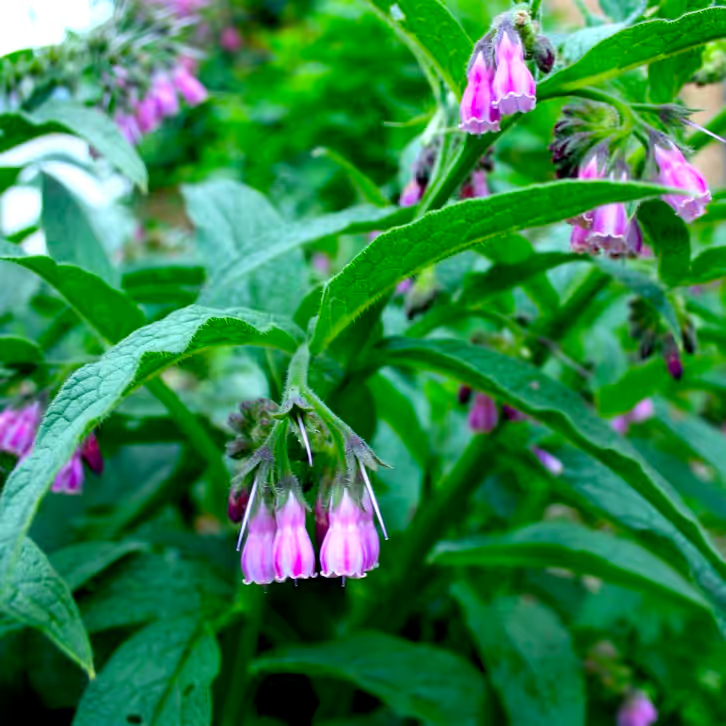
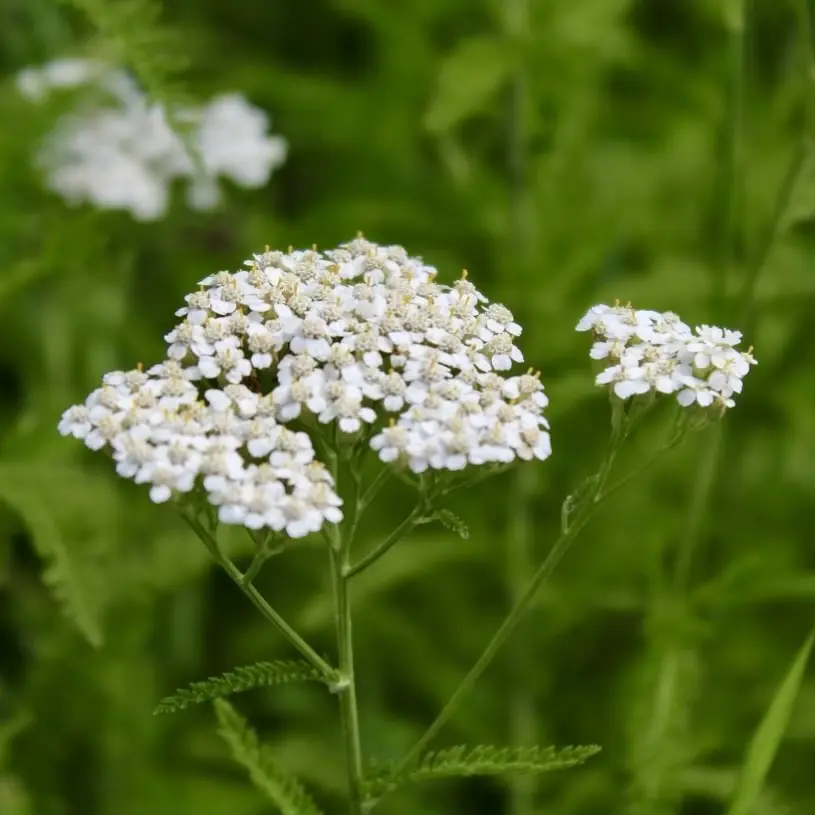
Companion Planting: Works well with fruit trees, berries, comfrey, yarrow, sage, thyme, and oregano; can act as an aromatic confuser around orchards

Harvest: Cut stems just above leaf nodes; harvest before flowering for strongest flavor; multiple cuttings per season encourage dense growth

Folklore & Traditional Uses: Historically used for teas, medicinal infusions, and as a scent-based companion in gardens to attract beneficial insects

Peppermint

USDA Zone

3-9

Peppermint

USDA Zone

3-9

Peppermint Planting Guide

  • Sun: Full sun to partial shade
  • Soil: Moist, well-drained soils preferred
  • Water: Moderate; appreciates consistent moisture
  • Hardiness: USDA zones 3–9
  • Growth Habit: Spreads by underground runners

Peppermint is vigorous and best managed through harvesting, mowing, or physical boundaries.

Beyond-Organic Peppermint Growing Practices

Our peppermint is grown using beyond-organic methods:

  • No synthetic fertilizers or pesticides
  • Biologically active soils
  • Selected for vigor, aroma, and adaptability

Edible Landscaping & Ground Cover Benefits

Peppermint functions as a living ground cover when intentionally placed and managed.

  • Rapidly fills bare soil
  • Suppresses competing weeds
  • Shades soil and retains moisture
  • Provides fragrance along paths and beds

It performs especially well along edges, walkways, swales, and orchard rows.

Peppermint is an Ideal Food Forest & Edible Landscaping Ground Cover

Peppermint is a multi-functional support species in perennial systems.

  • Thrives as an orchard understory plant
  • Protects soil from erosion
  • Helps cycle nutrients through frequent cutting
  • Attracts pollinators and beneficial insects
  • Fills ecological niches quickly in young food forests

Peppermint is an Aromatic Confuser for Deer Management

Peppermint’s strong menthol aroma can function as an aromatic confuser, helping disrupt scent cues that attract deer to fruit trees.

  • Useful when planted around tree bases and guild edges
  • May reduce prolonged browsing pressure
  • Best used as part of an integrated strategy alongside fencing, diversity planting, and habitat design

This is not a guaranteed deterrent, but a biological scent-layering tool commonly used in regenerative orchard design.

Peppermint Culinary & Medicinal Qualities

Peppermint is prized for its high menthol content and intense aroma.

  • Excellent for herbal teas and infusions
  • Used fresh or dried in desserts and confections
  • Popular in beverages, syrups, and garnishes
  • Strong aroma with minimal harvest needed

Peppermint

FAQ

Is peppermint a good companion plant?

Yes. Peppermint works well as a companion plant in orchards, gardens, and food forest systems when intentionally placed. It can help fill soil niches, shade bare ground, attract pollinators, and increase plant diversity around fruit trees and perennial crops.

What plants pair well with peppermint?

Peppermint pairs well with:

  • Fruit trees and nut trees
  • Yarrow, Comfrey, and other perennial support plants
  • Culinary herbs such as sage and thyme
  • Berry shrubs and perennial vegetables

Because peppermint spreads, it is best used around established plants rather than directly competing with small seedlings.

Can peppermint be used around fruit trees?

Yes. Peppermint is commonly planted around fruit tree bases, along orchard rows, and at guild edges. It functions as a living ground cover and support plant in food forest systems when managed through harvesting or containment.

How does peppermint work as an aromatic confuser?

Peppermint produces a strong menthol scent that can help confuse scent cues used by browsing animals. When planted around fruit trees or orchard edges, it may reduce prolonged browsing pressure as part of an integrated deer management strategy.

This is not a guaranteed deterrent and works best alongside fencing, diversity planting, and thoughtful landscape design.

Will peppermint repel deer completely?

No. Peppermint should not be relied on as a sole deer deterrent. Its role is as a supportive aromatic layer that can contribute to scent confusion in regenerative orchard systems.

How do I harvest peppermint?

Peppermint can be harvested multiple times per growing season:

  • Cut stems just above leaf nodes
  • Harvest before flowering for strongest flavor
  • Frequent cutting encourages dense regrowth

Leaves can be used fresh or dried for long-term storage.

Does harvesting help control peppermint spread?

Yes. Regular harvesting, mowing, or trimming helps manage peppermint’s growth while increasing leaf production and aroma.

Why choose bare root peppermint plants?

Bare root peppermint establishes faster, avoids root binding, and adapts more easily to permanent planting locations than potted plants—especially in orchards and food forest systems.

Bare Root Shipping & Return Policy

We Ship Healthy Dormant Trees

At BearFruit Nursery, we make sure your bare root trees, shrubs, and plants arrive happy, healthy, and ready to grow. Orders ship in fall or early spring while plants are dormant to reduce transplant shock.

Here’s what to expect:
Your shipment may look like a “stick in the mud” — that’s normal!
You’ll receive a healthy, leafless plant with a moist, sawdust-wrapped root system.
The sawdust keeps roots from drying out and supports long-term growth.
Our plants are grown in soil, not pots, developing strong root systems that quickly outgrow container-raised plants.

If your order arrives damaged, incomplete, or not as expected:
Contact us within 14 days of delivery.
We’ll send a one-time free replacement if available, or issue a full refund if it’s out of stock.
Our goal is simple — to send you strong, healthy plants that thrive once in the ground.
"Everything was fine with our order."
- Jerri S. Maine
"All four trees in our order look good and planted."
- Patti K. Illinois

Customer Reviews

Grow More Bare Root Fruit Trees & Shrubs

Naturally Grown Cold Hardy Plants
At BearFruit Nursery we are driven by our passion to steward our land in a manner that allows us to care for people and generate abundant harvests. We never use pesticides or herbicides on our plants. Our inputs include locally sourced wood chip mulch and grass mulch, leaf mulch, and compost that we collect on our site. We grow our plants outside in the ground or in raised beds.
Learn More