Sansa Apple Scion Wood for Grafting

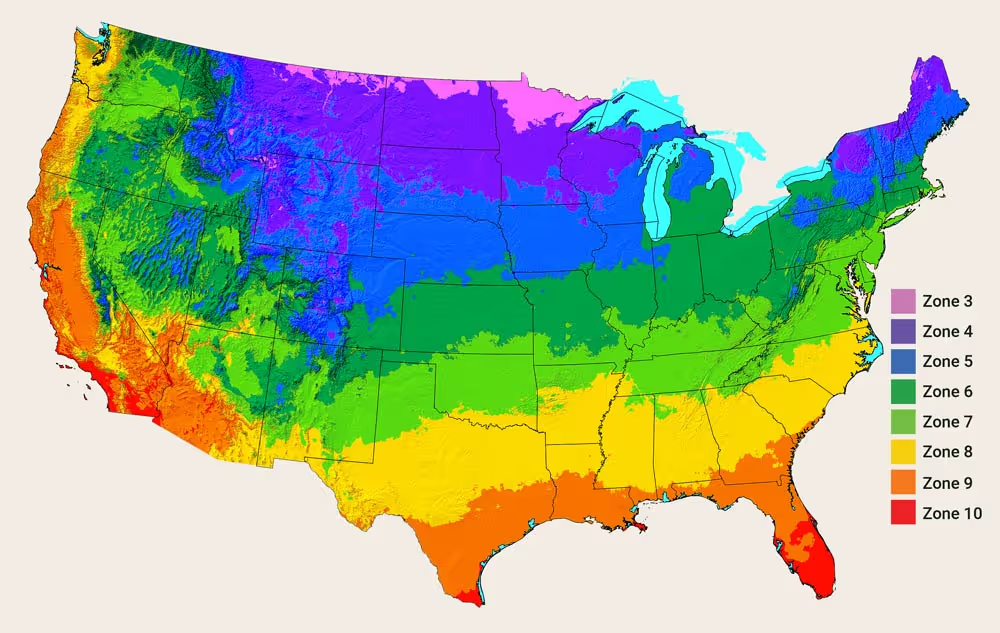
  • USDA Zone
    4-8
  • Plant Layer
    Understory Tree
  • Native Range
    Sansa apples grow reliably across much of the continental U.S., especially in regions with cold winters and moderate summers.
  • Life Cycle
    Perennial

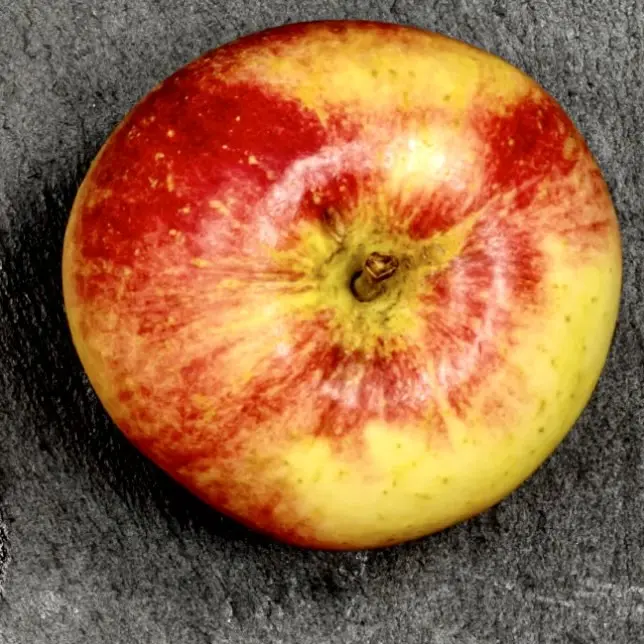
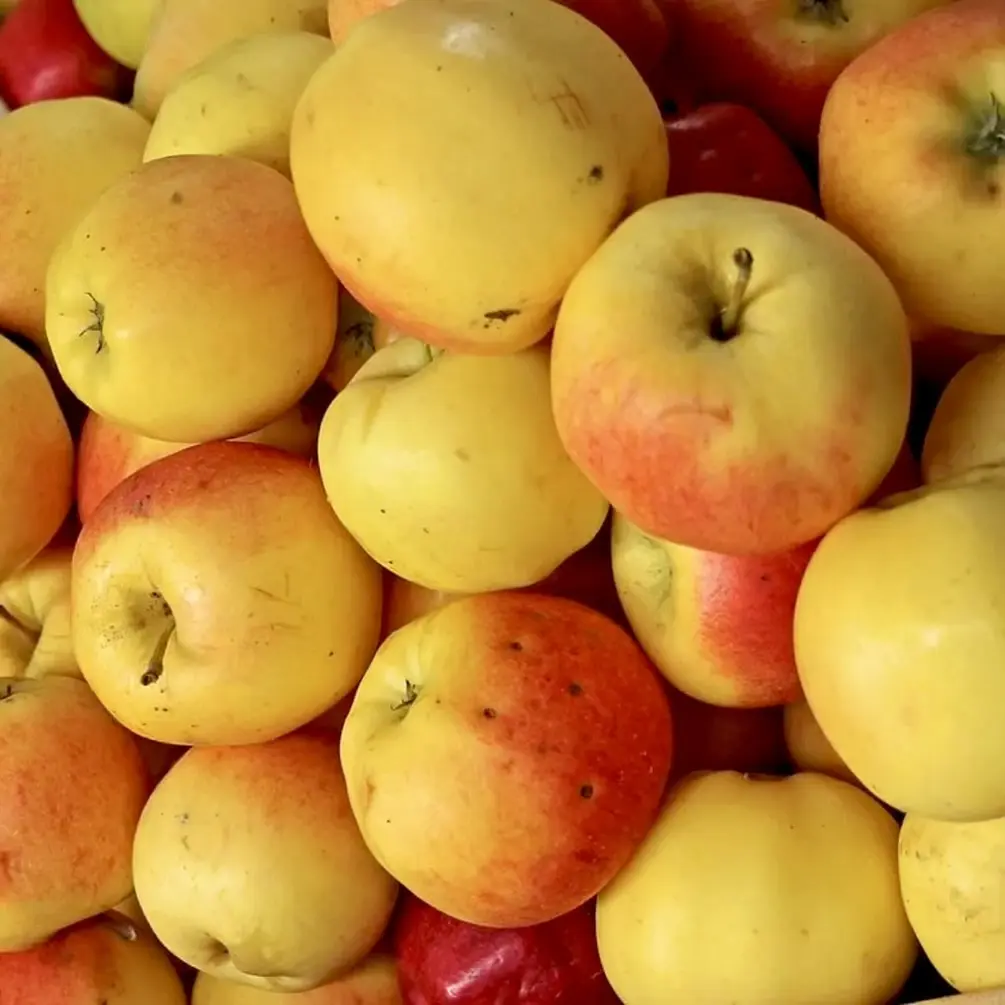
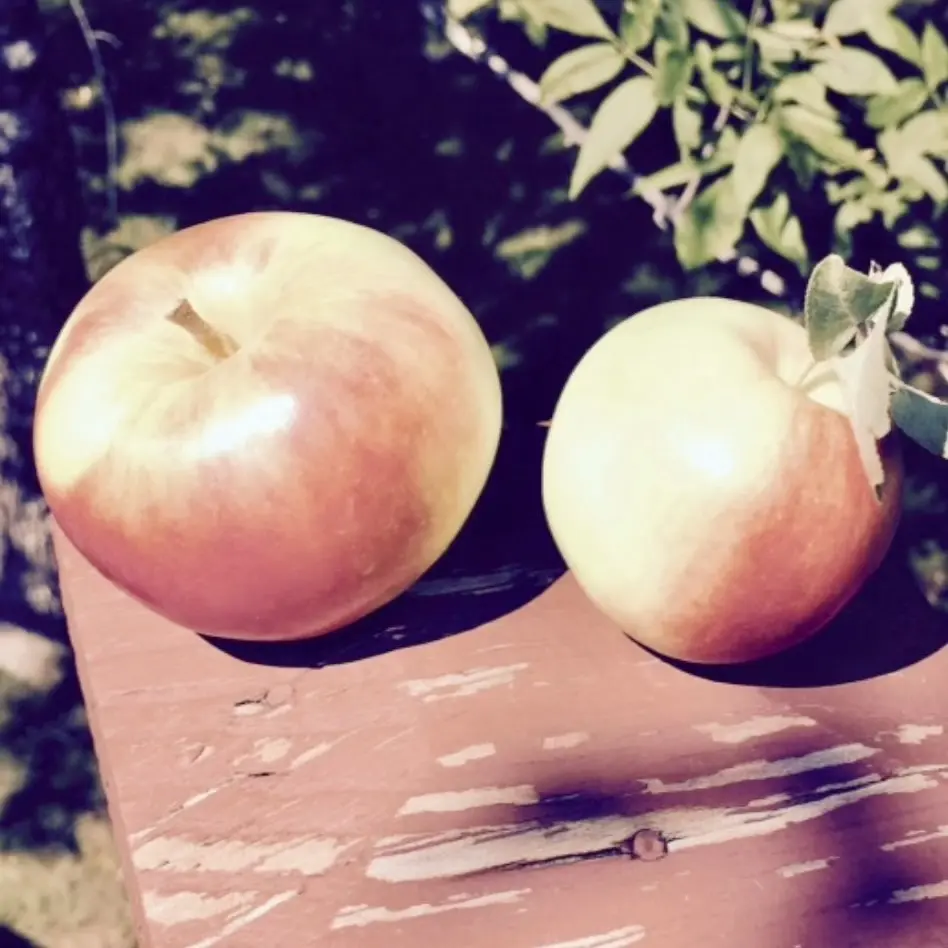
Dormant Sansa apple scionwood — ideal for early spring grafting onto your chosen rootstock. Sansa is one of the best early-ripening dessert apples, producing crisp, juicy red and yellow fruit with a mild sweetness and refreshing flavor weeks before many other varieties. A reliable, disease-resistant, productive cultivar perfect for extending your harvest season.

Shipping & Refund Policy >>
$ 5.00 USD
In-Stock
Sold-Out

Sansa Apple Scionwood

Malus domestica ‘Sansa’

Sansa Apple Scion Wood for Grafting

Sansa Apple Scionwood Companion Plants

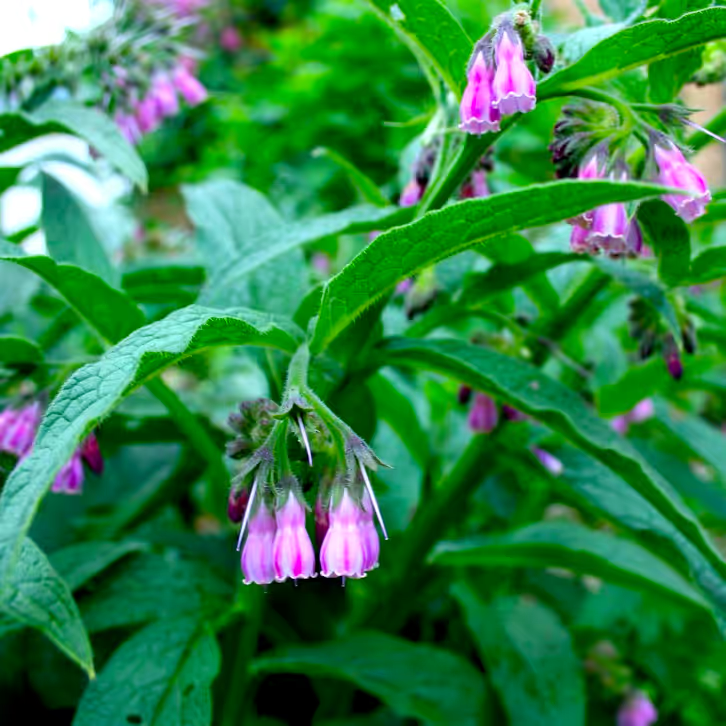
Bocking 14 Comfrey Root Crowns & Cuttings – Premium Forage & Fertility for Your Farm

Comfrey

$ 6.00 USD
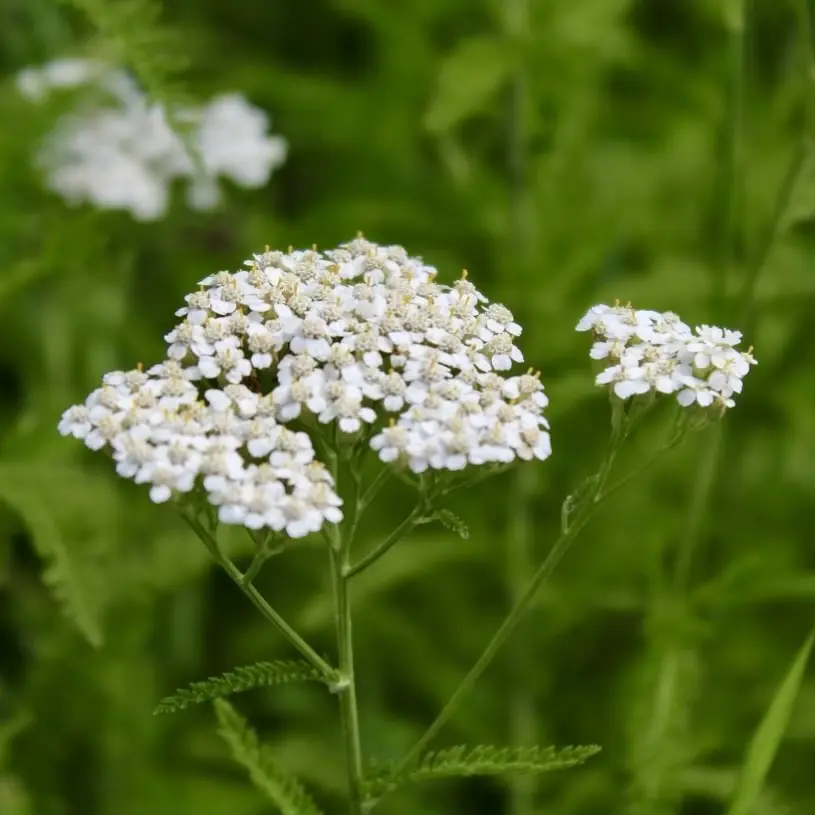
Yarrow Root Cuttings – Native Medicinal Plant for Edible Landscapes & Food Forests

Yarrow

$ 5.00 USD
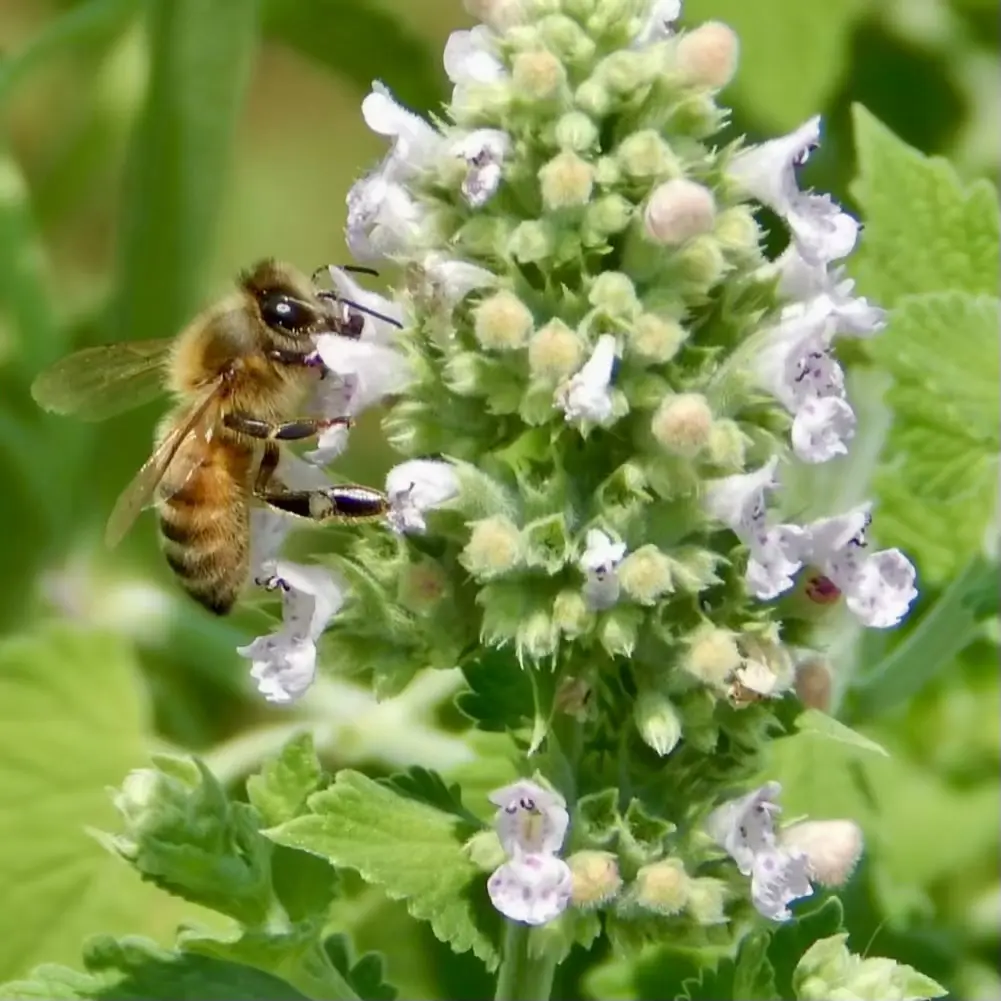
Bare Root Catnip Plants

Catnip

$ 7.50 USD
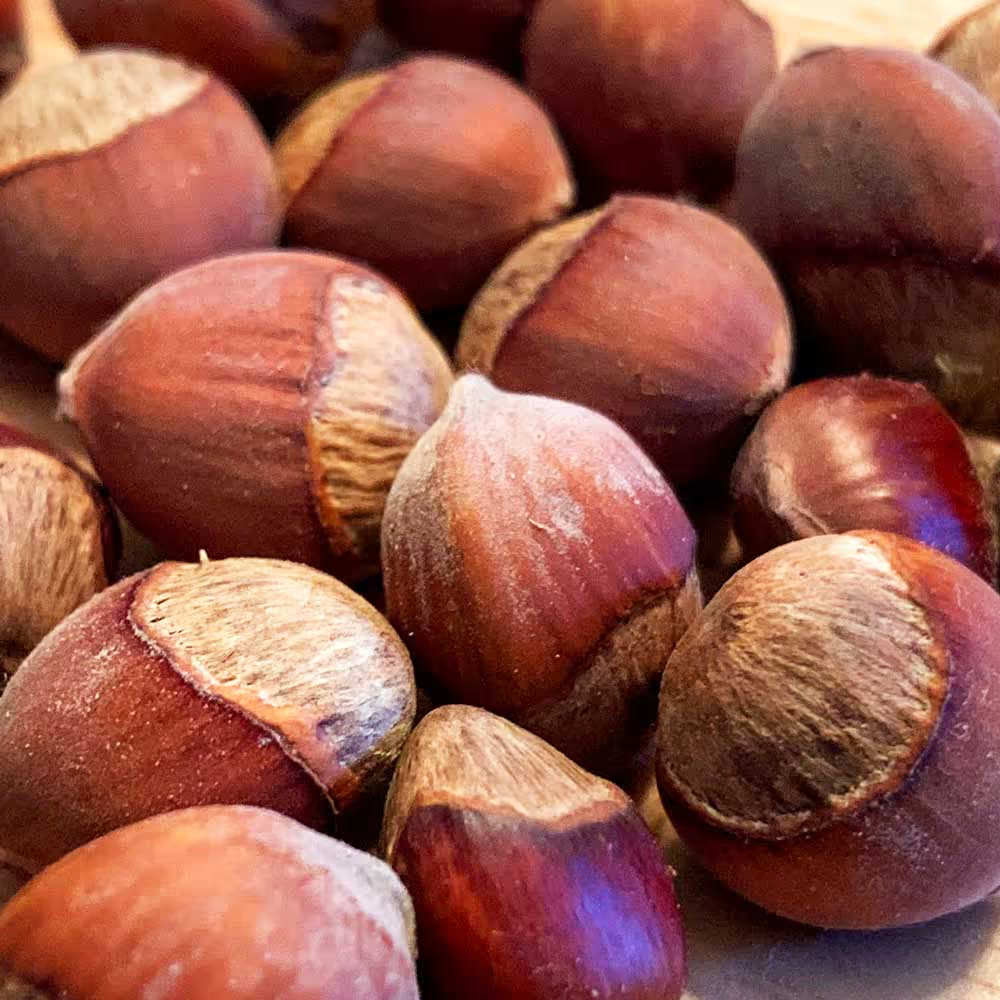
American Hazelnut Bare Root Plants

American Hazelnut

$ 12.00 USD
Hybrid Chestnut Tree Bare Root Seedlings

Hybrid Chestnut

$ 12.00 USD
Pristine Apple Scionwood for Grafting

Pristine Apple Scionwood

$ 5.00 USD

Why Choose Sansa Apple Scionwood?

Sweet, Early-Season Apple for Reliable Grafting Projects

Sansa Apple (Malus domestica ‘Sansa’) scionwood is dormant, pencil-thick grafting wood cut from healthy, true-to-type Sansa trees. Known for its crisp texture, mild sweetness, and dependable early harvest, Sansa is an excellent choice for growers looking to extend their apple season with a high-quality dessert apple.

Sansa stands out for ripening in late summer (often August in the Midwest), delivering juicy, refreshing apples before many mid-season varieties begin. Its balanced flavor and reliable productivity make it ideal for backyard orchards, multi-grafted trees, and growers who want a steady progression of harvest times. As a vigorous and adaptable cultivar, it performs well across much of the Midwest and Northeast in USDA Zones 4–9.

Benefits of Sansa Apple Scionwood for Grafting

  • Early-season apples that help extend harvest before fall varieties mature
  • Crisp, sweet flavor ideal for fresh eating
  • Cold-hardy and productive in USDA Zones 4–8
  • Suitable for food plots and wildlife plantings — fallen fruit from mature trees attracts deer and other wildlife
  • Each foot of scionwood yields multiple grafts, making it cost-effective for orchard expansion, food forests, or propagation projects

Each stick of Sansa apple scionwood is harvested during dormancy and inspected for healthy buds and proper caliper. Sold by the foot, it is ready for whip-and-tongue, cleft, or bark grafting onto your preferred rootstock.


Why Buy From BearFruit Nursery?

Our scionwood is carefully collected from healthy Sansa apple trees during peak dormancy to ensure maximum graft viability. Every stick is labeled and selected for ideal bud spacing and caliper, giving you the best chance of successful graft unions. Perfect for propagating crisp, early-ripening apples efficiently and reliably.
Sansa Apple Scionwood Traits & Qualities

  • Other Common Names: Sansa Apple, ‘Sansa’ Apple
  • Type: Apple cultivar (Malus domestica ‘Sansa’)
  • Usage: Dormant scionwood for grafting and propagation only
  • Cold Hardiness: USDA Zones 4–8
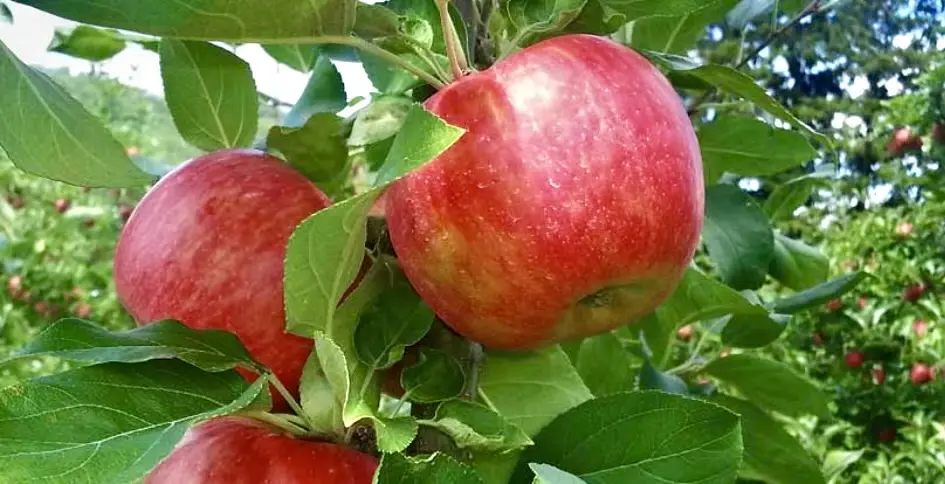
  • Fruit Color: Red blush over yellow background
  • Ripening Time: Early season—typically August in the Midwest, ahead of many fall varieties
  • Flavor Profile: Crisp, juicy, mildly sweet with low acidity
  • Productivity: Consistent bearer once established on compatible rootstock
  • Tree Vigor: Moderate vigor once grafted
  • Grafting Suitability: Ideal for whip-and-tongue, cleft, or bark grafts
  • Scionwood Length: Sold by the foot; multiple grafts can be made per foot
  • Bud Quality: Dormant buds selected for healthy spacing and strong grafting success
  • Pollination: Requires a compatible mid- to early-season apple variety for cross-pollination
  • Wildlife Value: Fruit from mature grafted trees can attract deer and other wildlife
  • Site Preference for Grafted Trees: Full sun, well-drained soil
  • Origin: Japanese apple cultivar (Akane × Gala parentage)
  • Best Uses: Backyard orchards, multi-grafted trees, food forests, and season-extension orchard planning

Sansa Apple Scionwood

USDA Zone

4-8

Sansa Apple Scionwood

USDA Zone

4-8

How to Graft Sansa Apple Scionwood

Sansa Apple (Malus domestica ‘Sansa’) scionwood is an early-season dessert variety valued for its crisp texture and sweet flavor. Using high-quality dormant scionwood allows you to propagate true-to-type Sansa trees efficiently. Follow this guide to maximize graft success.

1. Best Timing

  • Winter dormancy: Late January through early March is ideal, while scionwood is fully dormant and rootstock sap flow has not yet begun.
  • Early spring grafting: Graft just before bud break when rootstocks are still dormant but preparing for active growth.

2. Compatible Apple Rootstocks

Sansa scionwood grafts well onto most standard apple rootstocks depending on your desired mature tree size:

  • Dwarfing: M27, M9
  • Semi-dwarf: M26, MM106
  • Standard/Vigorous: MM111, Antonovka seedling, other seedling rootstocks

Tip: Select a rootstock suited to your soil conditions, drainage, winter lows, and orchard spacing plan.

3. Materials Needed

  • Dormant Sansa Apple scionwood (sold by the foot)
  • Healthy dormant rootstock
  • Sharp grafting knife
  • Grafting tape, parafilm, or rubber bands
  • Pruning shears
  • Optional: Grafting wax or sealant for added moisture protection

4. Recommended Grafting Methods

  • Whip-and-tongue graft: Best for matching scion and rootstock caliper (ideal for bench grafting)
  • Cleft graft: Useful for larger-diameter rootstocks or topworking existing trees
  • Bark graft: Suitable for mature rootstocks in early spring

5. Steps to Successful Grafting

  1. Prepare scionwood: Cut into 6–10″ sections with 3–5 healthy dormant buds.
  2. Prepare rootstock: Make a clean cut at the chosen graft height. Remove damaged wood.
  3. Align cambium layers: Ensure at least one side of the scion cambium aligns with the rootstock cambium.
  4. Secure the union: Wrap tightly with grafting tape or parafilm to prevent drying.
  5. Seal (optional): Apply grafting wax for additional moisture retention.
  6. Aftercare: Keep graft protected from extreme wind and sun. Remove wrapping once growth is established to prevent girdling.

6. Tips for Multiple Grafts

  • Each foot of Sansa scionwood typically yields 2–3 grafts, depending on bud spacing.
  • Label each graft with variety and rootstock for future orchard management.

7. Success & Timeline

  • Bud swelling typically occurs 2–4 weeks after spring grafting.
  • Active shoot growth follows shortly after bud break.
  • Depending on rootstock vigor, trees may begin producing fruit in 2–4 years after successful grafting.

Using properly stored, dormant Sansa apple scionwood and matching it with a compatible rootstock gives you an efficient way to add this crisp, early-ripening apple variety to your orchard.

Sansa Apple Nutrition & Health Benefits

Sansa apples are crisp, refreshing, and mildly sweet, making them an excellent early-season fresh-eating apple. Once grafted and mature, trees produce juicy fruit that offers valuable nutrients and natural antioxidants as part of a balanced diet.

  • Vitamin C: Supports immune function and healthy skin and tissue repair
  • Dietary Fiber: Aids digestion and helps support healthy cholesterol levels
  • Potassium: Contributes to heart health and proper muscle function
  • Antioxidants: Naturally occurring plant compounds help combat oxidative stress
  • Hydrating & Low in Calories: A refreshing snack option with balanced natural sugars

Sansa’s mild sweetness and low acidity make it especially appealing for fresh eating, lunchbox snacks, and early-season orchard harvests.

Note: Nutrition benefits apply to the apples produced once Sansa trees are successfully grafted and reach fruit-bearing maturity. Scionwood is used for propagation and is not consumed.

Sansa Apple Scionwood FAQ

What is Sansa Apple Scionwood and why should I graft it?

Sansa Apple scionwood is dormant, pencil-thick grafting wood taken from healthy, true-to-type Sansa trees (Malus domestica ‘Sansa’). It is used to propagate crisp, early-season apples known for their mild sweetness and refreshing flavor. Grafting allows you to reproduce Sansa on rootstocks suited to your climate, soil, and desired tree size.

How long does it take for trees grafted with Sansa scionwood to bear fruit?

Trees grafted with Sansa scionwood typically begin producing fruit 2–4 years after a successful graft, depending on rootstock vigor, growing conditions, and orchard management. Dwarfing rootstocks often produce sooner than standard rootstocks.

Which rootstocks are compatible with Sansa scionwood?

Sansa scionwood works well with common apple rootstocks:

  • Dwarfing: M27, M9
  • Semi-dwarf: M26, MM106
  • Standard/Vigorous: MM111, Antonovka, seedling rootstocks

Choose rootstocks based on your desired mature tree size, spacing, and soil conditions.

When is the best time to graft Sansa scionwood?

  • Dormant season: Late winter (January–March) before sap flow begins is ideal.
  • Early spring: Just before bud break on dormant rootstocks also works well.
  • What grafting methods work best?
  • Whip-and-tongue graft: Best for matching scion and rootstock caliper
  • Cleft graft: Ideal for larger rootstocks or topworking existing trees
  • Bark graft: Used on mature rootstocks in early spring

How long is each scionwood stick and how many grafts can I make?

Scionwood is sold by the foot. Each foot typically yields 2–3 grafts, depending on bud spacing and grafting technique.

What materials do I need for grafting?

  • Sansa apple scionwood
  • Compatible apple rootstock
  • Sharp grafting knife
  • Grafting tape, parafilm, or rubber bands
  • Pruning shears
  • Optional: grafting wax or sealant

Does Sansa require cross-pollination?

Yes. Sansa is not self-fertile and requires a compatible apple variety that blooms at a similar time for proper pollination and fruit set. Sansa cross pollinates well with the Pristine variety.

Can wildlife or pollinators benefit from trees grown from my grafts?

Yes. Once grafted trees mature and produce fruit, fallen apples may attract deer and other wildlife. Spring blossoms also provide nectar for bees and other beneficial pollinators.

How do I care for grafted scions after grafting?

Keep the graft union tightly wrapped and protected from drying out. Remove wrapping after growth begins to prevent girdling. Plant in full sun with well-drained soil and provide consistent watering during establishment for strong, healthy growth.

Note: Sansa apple scionwood is sold for propagation purposes only and does not include a bare root tree or root system.

Bare Root Shipping & Return Policy

We Ship Healthy Dormant Trees

At BearFruit Nursery, we make sure your bare root trees, shrubs, and plants arrive happy, healthy, and ready to grow. Bare root plants and cuttings ship dormant during appropriate planting windows. Orders may be held to ensure safe arrival.

Here’s what to expect:
Your shipment may look like a “stick in the mud” — that’s normal!
You’ll receive a healthy, leafless plant with a moist, sawdust-wrapped root system.
The sawdust keeps roots from drying out and supports long-term growth.
Our plants are grown in soil, not pots, developing strong root systems that quickly outgrow container-raised plants.

Return & Refund Policy
At BearFruit Nursery, our goal is to deliver healthy, dormant bare-root trees, shrubs, and plants ready for planting.

Due to the perishable and live nature of plants, we process "returns" through refunds and/or by re-shipping correct replacement or undamaged plants.
If your order arrives damaged or incorrect, please contact us within 48 hours of delivery with photos so we can resolve the issue. Approved claims may be resolved through:

Replacement of the damaged plant (subject to availability)
Refund for the damaged item

Shipping fees are non-refundable.This policy applies to all live plants, trees, and shrubs sold through our website.
If you have questions about our policy, email us at grow@bearfruitnursery.com
This policy applies to all live plants, trees, and shrubs sold through our website.
"Everything was fine with our order."
- Jerri S. Maine
"All four trees in our order look good and planted."
- Patti K. Illinois

Customer Reviews

Grow More Bare Root Fruit Trees & Shrubs

Naturally Grown Cold Hardy Plants
At BearFruit Nursery we are driven by our passion to steward our land in a manner that allows us to care for people and generate abundant harvests. We never use pesticides or herbicides on our plants. Our inputs include locally sourced wood chip mulch and grass mulch, leaf mulch, and compost that we collect on our site. We grow our plants outside in the ground or in raised beds.
Learn More