Bare Root Catnip Plants

  • USDA Zone
    3-9
  • Plant Layer
    Herbaceous
  • Native Range
    Europe, the Middle East, Central Asia, and parts of China
  • Life Cycle
    Perennial

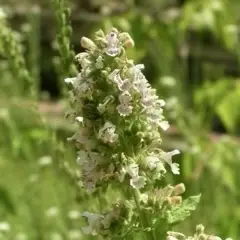
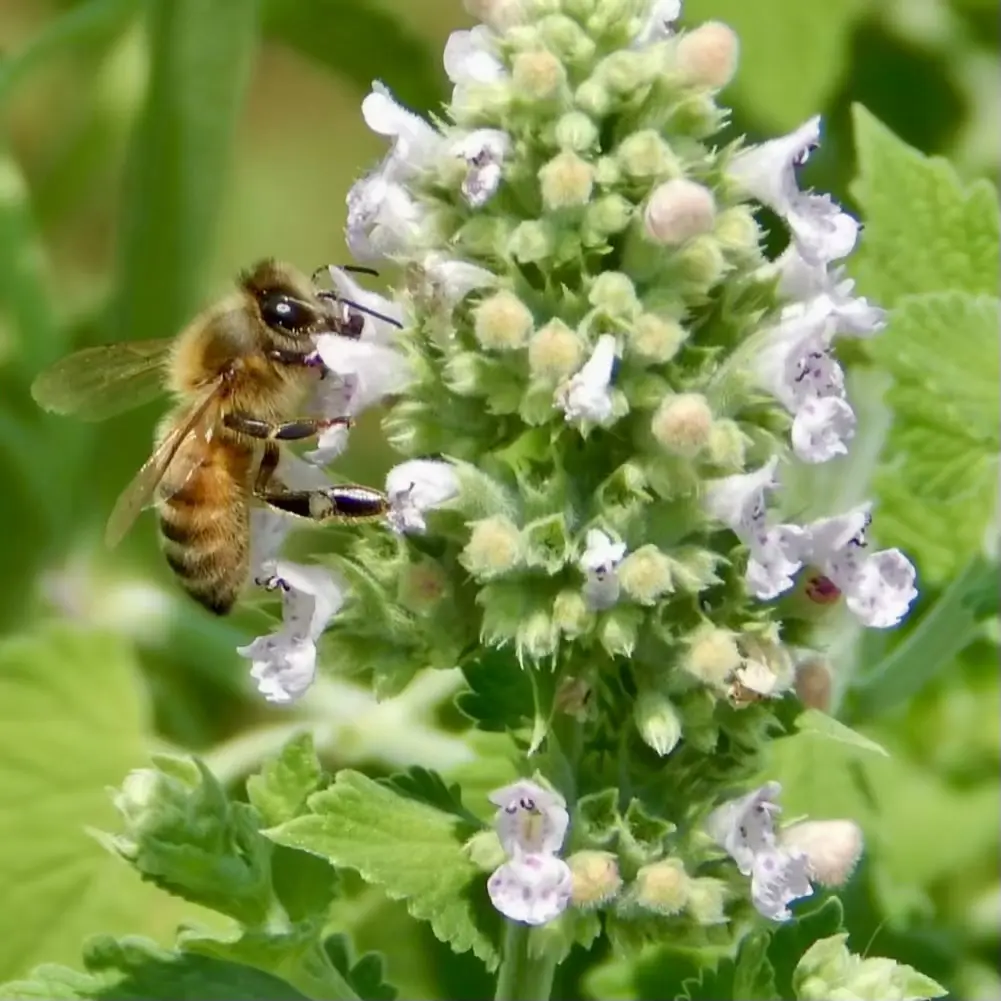
Bare root catnip plants (Nepeta cataria) are hardy perennial herbs for pollinators, herbal harvest, and natural cat enrichment. Fast-growing and easy to establish, they produce abundant aromatic foliage that attracts bees and supports companion planting in gardens, orchards, and homesteads.

Shipping & Refund Policy >>
$ 7.50 USD
In-Stock
Sold-Out

Catnip

Nepeta cataria

Bare Root Catnip Plants

Best Companion Plants for Bare Root Catnip

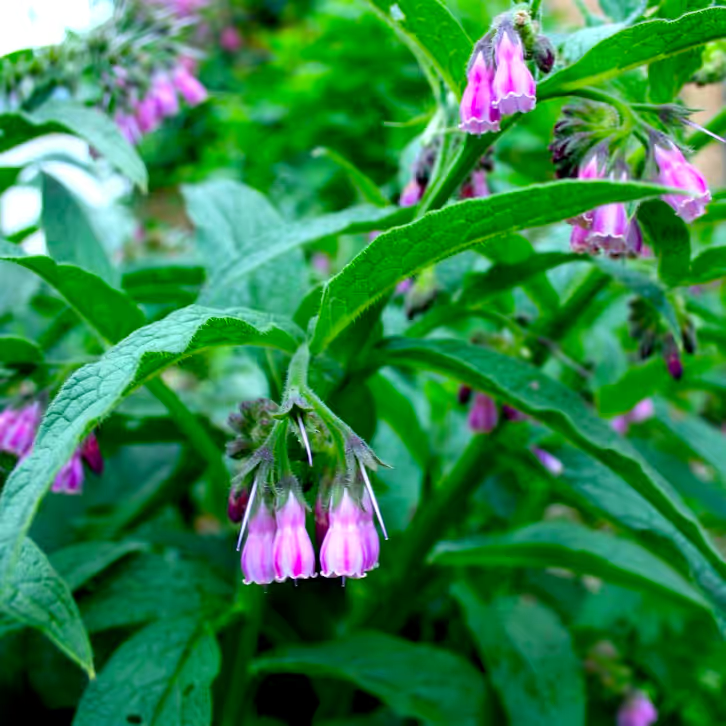
Bocking 14 Comfrey Root Crowns & Cuttings – Premium Forage & Fertility for Your Farm

Comfrey

$ 6.00 USD
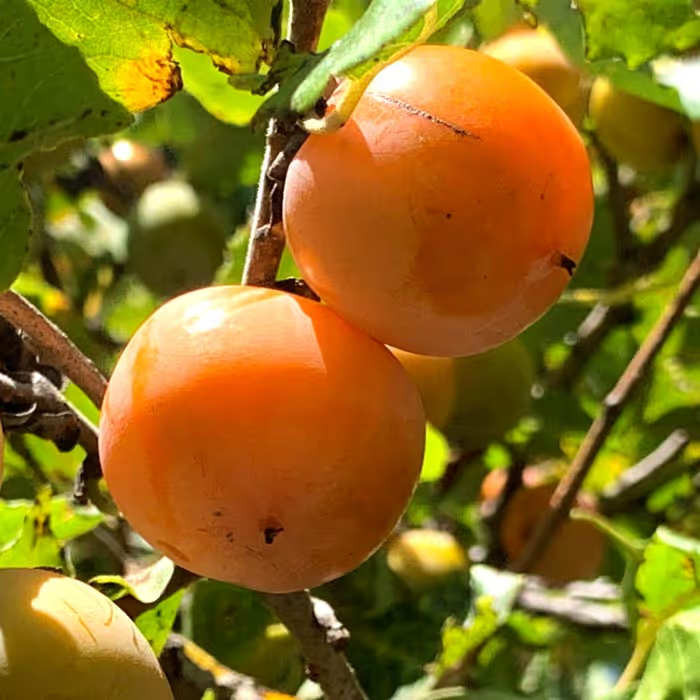
American Persimmon Trees (Diospyros virginiana) – Bare Root Native Fruit Trees for Sale

American Persimmon

$ 8.00 USD
$ 10.00 USD
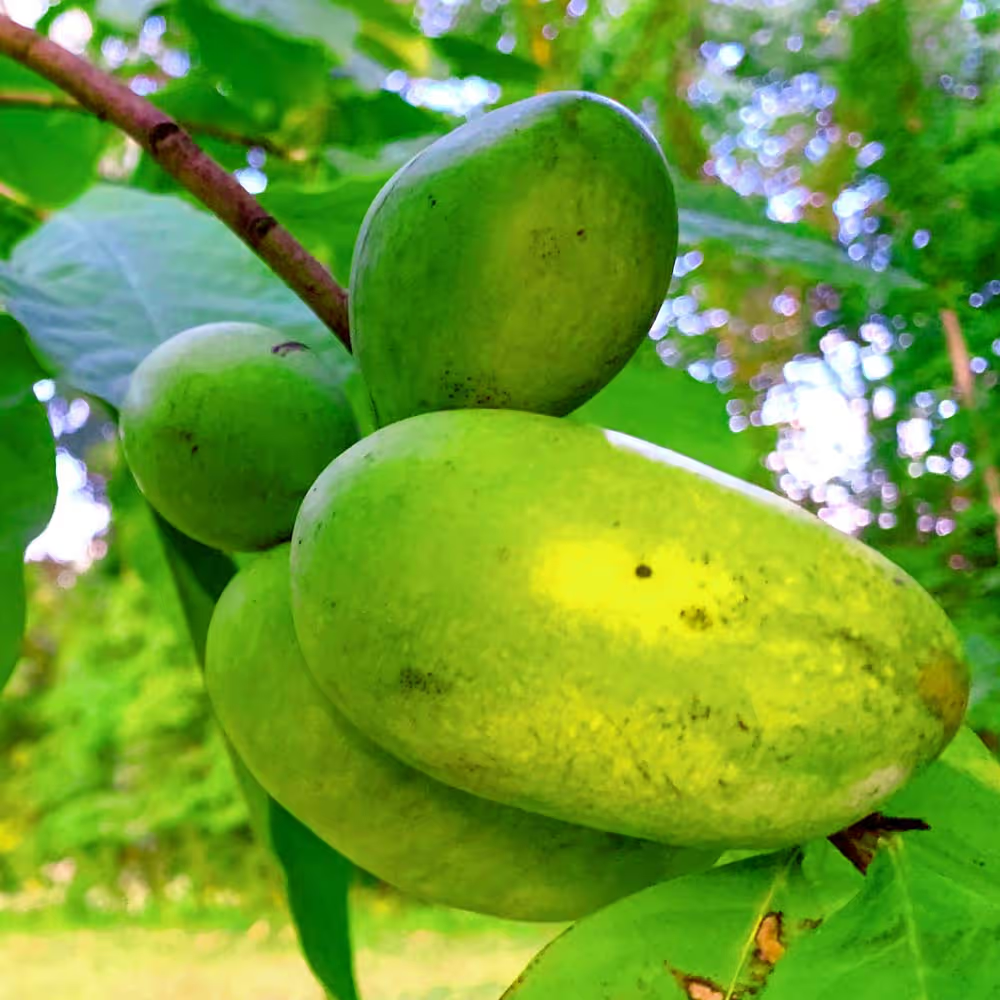
Pawpaw Bare Root Tree Seedlings

Pawpaw

$ 10.00 USD
American Plum Bare Root Tree Seedlings

American Plum

$ 10.00 USD
American Elderberry Bare Root Plants

Elderberry

$ 10.00 USD
Bare Root "Freedom" Black Currant Plants

Freedom Black Currant

$ 14.00 USD

Why Plant Bare Root Catnip Plants?

The Hardy Pollinator Herb for Gardens, Orchards, and Homesteads

Bare root catnip plants (Nepeta cataria) aren’t just for cats—they’re a rugged, multi-purpose perennial herb that earns its place in regenerative gardens and orchard systems. Long valued in traditional herbalism and cottage gardens, catnip is prized for its ability to attract pollinators, support beneficial insects, and provide a reliable, repeat harvest of aromatic foliage season after season.

Fast to establish and drought tolerant once rooted, catnip forms a dense mound of fragrant leaves and soft lavender-white blooms that bees can’t resist. In mixed plantings around fruit trees and shrubs, it helps increase insect diversity—supporting better pollination and natural pest balance. Unlike heavy feeders, catnip is relatively low-demand, making it an easy addition to food forests, herb spirals, and perennial borders.

Beyond the garden ecosystem benefits, catnip has been used for generations as a calming herbal tea and natural botanical for home use. And yes—your barn cats will thank you. Regular cutbacks encourage bushier growth and provide abundant leafy harvests throughout the growing season.

What Makes Bare Root Catnip a Smart Choice?
Starting with bare root catnip plants means stronger establishment and better long-term performance compared to small potted starts. With a well-developed root system ready to expand into native soil, bare root plants adapt quickly and grow vigorously once temperatures warm.

Catnip is hardy, winter resilient, and easy to manage. While it can self-seed if left unchecked, simple trimming before seed set keeps it tidy and exactly where you want it. It pairs especially well with fruit trees, berry shrubs, and companion plants like comfrey in pollinator-focused systems.

You Can Expect:

  • Strong pollinator attraction
  • Repeat harvest potential
  • Low-input maintenance
  • Reliable perennial growth year after year

Why Plant Our Bare Root Catnip?

Our bare root catnip plants are grown outdoors in living soil and harvested during dormancy for safe shipping and strong spring establishment. We avoid synthetic fertilizers and herbicides—because healthy plants should begin with healthy soil.

Each plant is carefully lifted, trimmed, and inspected before shipping, ensuring you receive a vigorous perennial ready to take off once planted. Whether you’re building a pollinator strip, planting an orchard understory, or adding resilient herbs to your homestead, bare root catnip is a simple, proven addition that pays dividends season after season.
Bare Root Catnip Plant Traits & Qualities

• Common Name: Catnip

• Scientific Name: Nepeta cataria

• Type: Hardy perennial herb

• Growth Habit: Upright, bushy clumping plant; may self-seed if not trimmed

• Native Range: Europe and Asia; naturalized throughout North America

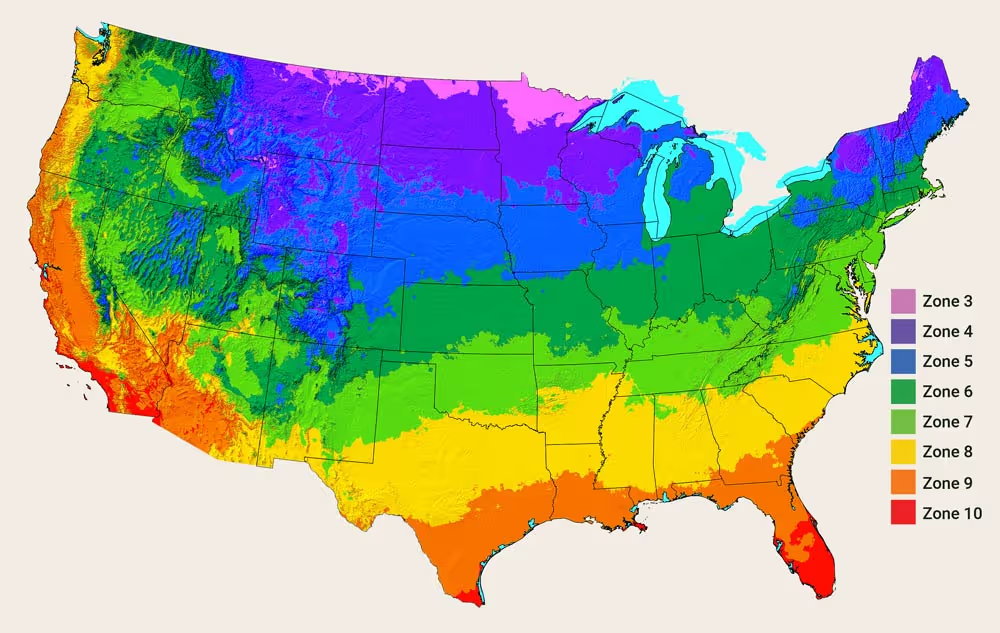
• USDA Zone Range: 3–9

• Mature Height: 2–3 feet

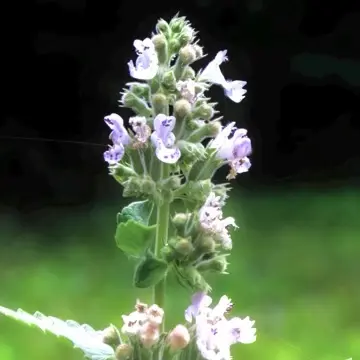
• Bloom Color: Pale lavender to white

• Foliage: Soft, gray-green, aromatic leaves

• Pollinator Value: Excellent—attracts bees and beneficial insects

• Soil Preference: Average, well-drained soil; tolerant of poorer soils

• Sun Exposure: Full sun to partial shade

• Moisture: Drought tolerant once established; prefers moderate moisture

• Spacing: 18–24 inches apart

• Life Span: Long-lived perennial with proper management

• Growth Rate: Fast-growing; full leafy production in first season

• Harvest: Leaves can be cut multiple times per season for herbal use or companion planting benefits

Catnip

USDA Zone

3-9

Catnip

USDA Zone

3-9

Uses for Bare Root Catnip Plants

• Pollinator Plant: Attracts bees and beneficial insects, improving pollination around fruit trees, berry shrubs, and garden crops.

• Beneficial Insect Support: Encourages predatory insects that help balance aphids and other common garden pests.

• Herbal Harvest: Leaves and flowering tops can be harvested for traditional herbal teas and botanical uses.

• Natural Cat Enrichment: Fresh or dried foliage provides a safe, aromatic treat for cats.

• Companion Planting: Useful in orchard understories and vegetable gardens to increase biodiversity and reduce pest pressure naturally.

• Low-Input Perennial: Hardy, drought tolerant once established, and capable of multiple harvests per growing season.

• Food Forest Layering: Functions as a mid-layer herb in permaculture systems, supporting soil life and pollinator diversity without competing heavily with deep-rooted trees.

Bare Root Catnip Nutritional & Environmental Benefits

• Pollinator Support: Produces abundant nectar-rich blooms that attract bees and beneficial insects throughout the growing season.

• Biodiversity Boost: Increases insect diversity in orchards and gardens, supporting stronger pollination and natural pest balance.

• Aromatic Pest Deterrence: Naturally fragrant foliage may help discourage certain garden pests when planted near susceptible crops.

• Herbal Compounds: Leaves contain essential oils traditionally valued for calming herbal preparations and botanical use.

• Moderate Root System: Helps stabilize topsoil and improve surface soil structure without aggressively competing with deep-rooted trees.

• Low-Input Resilience: Drought tolerant once established and adaptable to average soils, reducing the need for irrigation or fertilizer.

• Repeat Harvest Growth: Foliage can be cut multiple times per season for herbal use or companion planting benefits—plants regrow quickly and remain productive.

• Food Forest Compatibility: Functions as a mid-layer perennial herb in regenerative systems, enhancing pollinator activity while maintaining manageable growth.

Bare Root Catnip FAQ

What is bare root catnip and why should I grow it?

Bare root catnip (Nepeta cataria) is a hardy, perennial herb known for its fragrant leaves, pollinator-attracting blooms, and low-maintenance growth habit. It’s perfect for attracting bees and beneficial insects, supporting companion planting, adding biodiversity to food forests, and providing harvestable foliage for herbal use.

Can cats and livestock enjoy catnip?

Yes! Cats love catnip leaves and flowers as enrichment, and small quantities are safe for pets. While not a primary livestock forage like comfrey, some homesteaders use fresh or dried catnip as a supplemental herb for chickens, rabbits, or goats. Always offer in moderation.

How does companion planting with catnip work?

Catnip supports surrounding plants by attracting pollinators and beneficial insects while helping naturally deter certain garden pests. Planting catnip near fruit trees, berry shrubs, or vegetable crops can improve pollination and create a healthier, more balanced garden ecosystem.

What’s the difference between bare root plants and potted catnip?

Bare root catnip plants are harvested during dormancy with a well-developed root system. They establish faster and grow vigorously once planted. Potted plants are convenient but may take longer to acclimate and establish in your garden soil. Both will become long-lived, productive catnip plants.

Where and when should I plant bare root catnip?

Plant in spring or fall in full sun to partial shade. Catnip tolerates most soil types but prefers well-drained soil. Once established, it’s drought-tolerant, hardy, and low-maintenance—ideal for garden borders, orchard understories, pollinator strips, and food forest guilds.

How fast does bare root catnip grow?

Fast-growing! Expect usable foliage in the first growing season, with repeat harvests through summer. Regular cutting encourages bushier growth and prolonged bloom periods, keeping pollinators and beneficial insects active in your garden.

How long will my catnip plants live?

Bare root catnip is a long-lived perennial. With proper planting and occasional maintenance, plants can thrive for many years, providing ongoing pollinator support, herbal harvests, and garden biodiversity.

Why choose bare root catnip from BearFruit Nursery?

Our catnip is grown outdoors in living soil without synthetic fertilizers or herbicides. Each bare root plant is carefully harvested, inspected, and ready to establish quickly in your garden, orchard, or food forest. Whether you’re building pollinator habitats, companion planting guilds, or perennial herb beds, BearFruit catnip is a resilient, multi-purpose addition.

Bare Root Shipping & Return Policy

We Ship Healthy Dormant Trees

At BearFruit Nursery, we make sure your bare root trees, shrubs, and plants arrive happy, healthy, and ready to grow. Bare root plants and cuttings ship dormant during appropriate planting windows. Orders may be held to ensure safe arrival.

Here’s what to expect:
Your shipment may look like a “stick in the mud” — that’s normal!
You’ll receive a healthy, leafless plant with a moist, sawdust-wrapped root system.
The sawdust keeps roots from drying out and supports long-term growth.
Our plants are grown in soil, not pots, developing strong root systems that quickly outgrow container-raised plants.

Due to the perishable and live nature of plants, we do not accept returns.
If your order arrives damaged or incorrect, please contact us within 48 hours of delivery with photos so we can resolve the issue. Approved claims may be resolved through:
Replacement of the damaged plant (subject to availability)
Refund for the damaged item

This policy applies to all live plants, trees, and shrubs sold through our website.
"Everything was fine with our order."
- Jerri S. Maine
"All four trees in our order look good and planted."
- Patti K. Illinois

Customer Reviews

Grow More Bare Root Fruit Trees & Shrubs

Naturally Grown Cold Hardy Plants
At BearFruit Nursery we are driven by our passion to steward our land in a manner that allows us to care for people and generate abundant harvests. We never use pesticides or herbicides on our plants. Our inputs include locally sourced wood chip mulch and grass mulch, leaf mulch, and compost that we collect on our site. We grow our plants outside in the ground or in raised beds.
Learn More